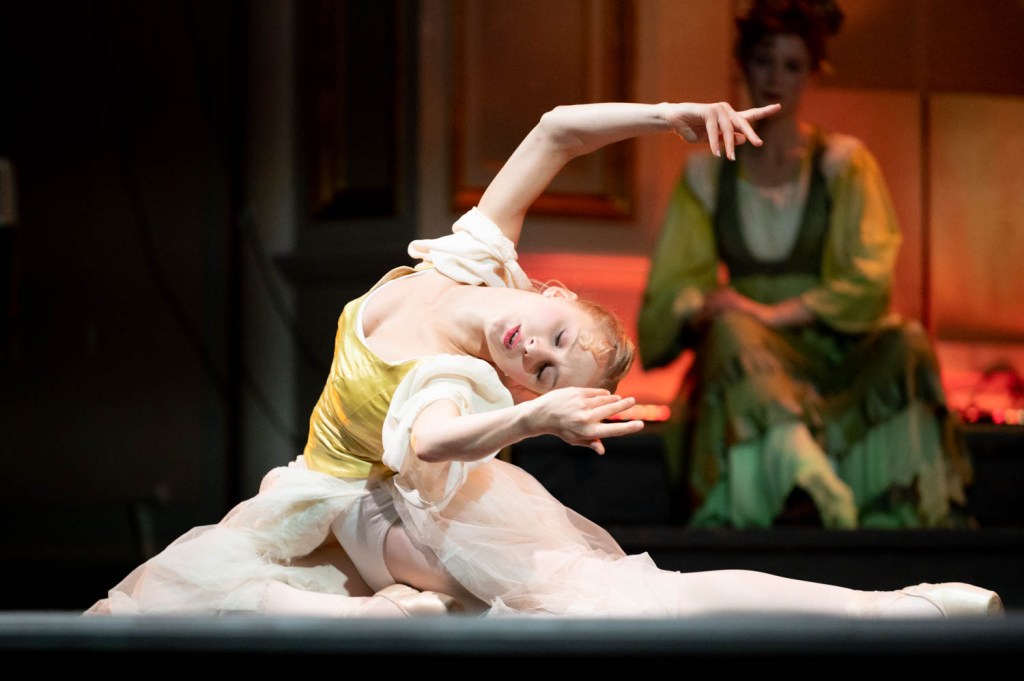
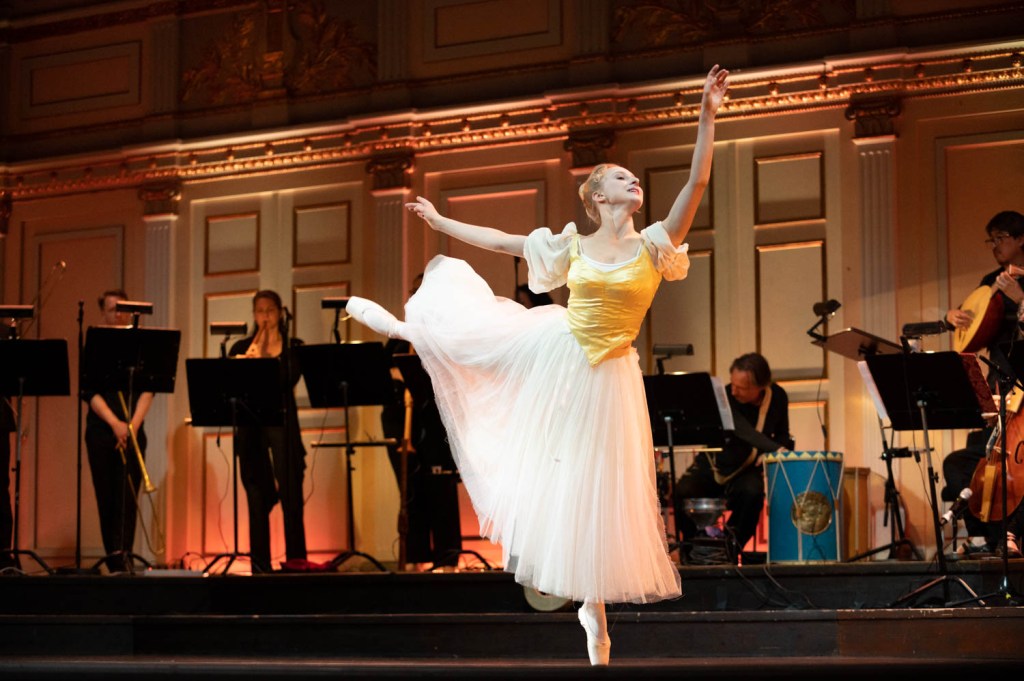
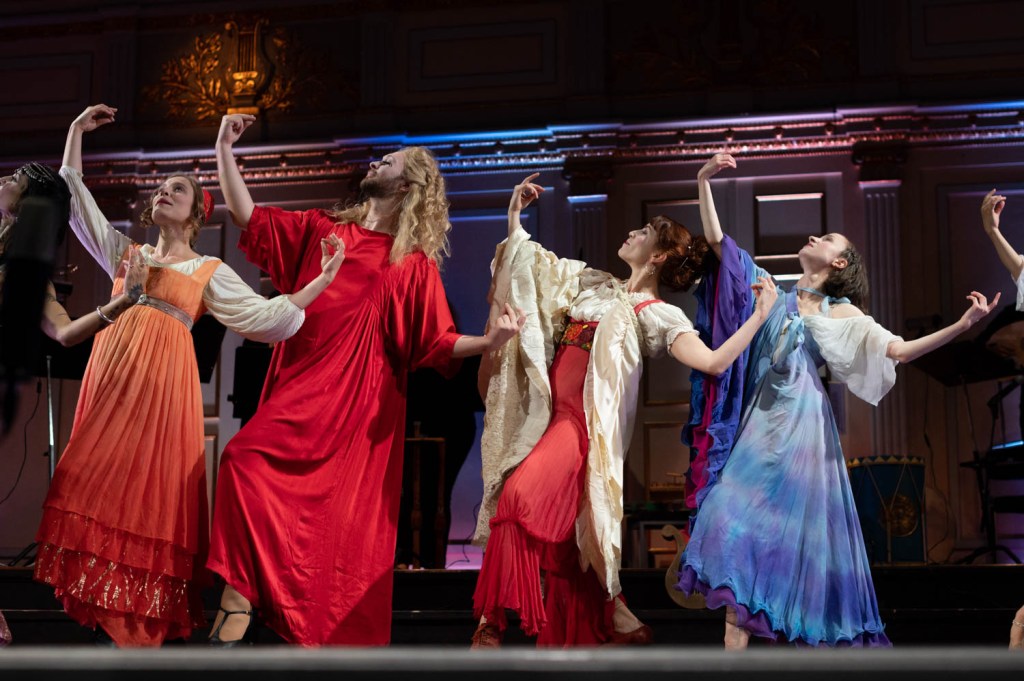
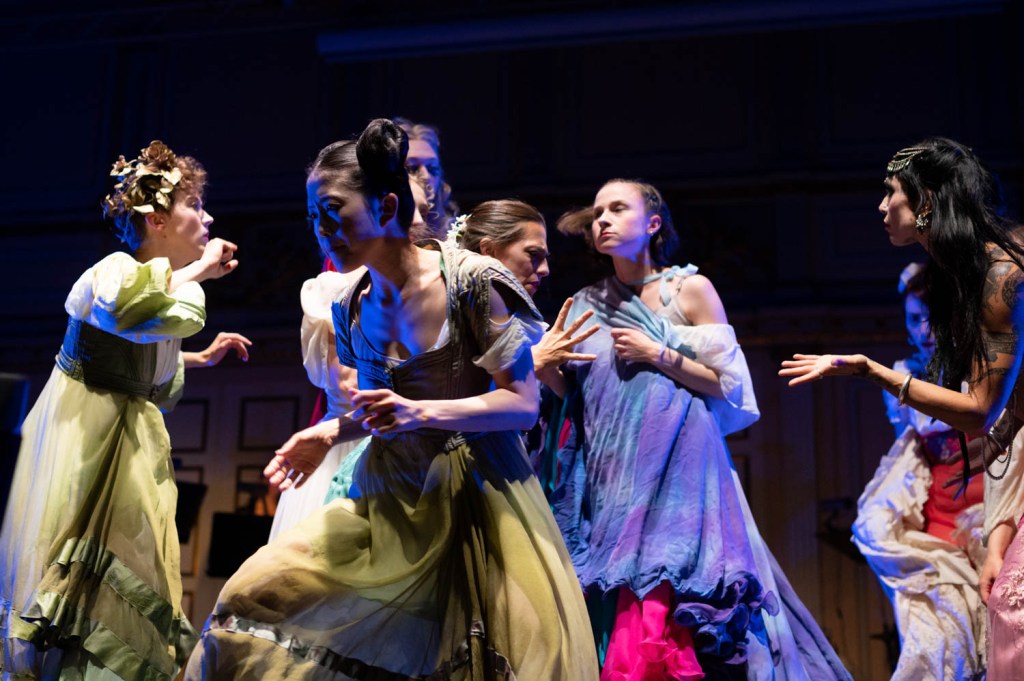
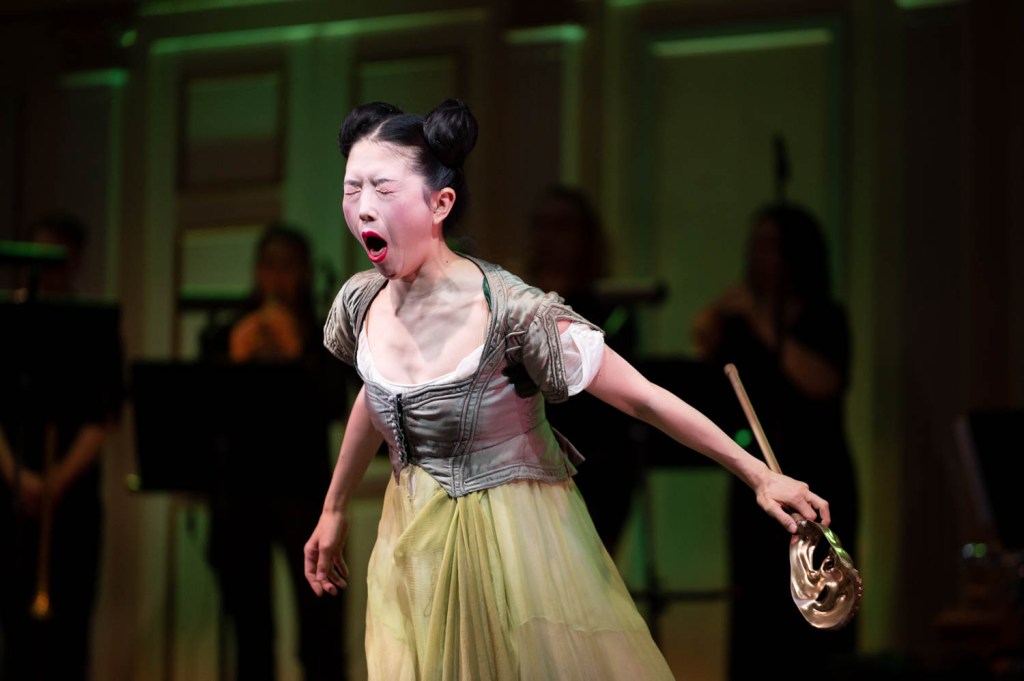
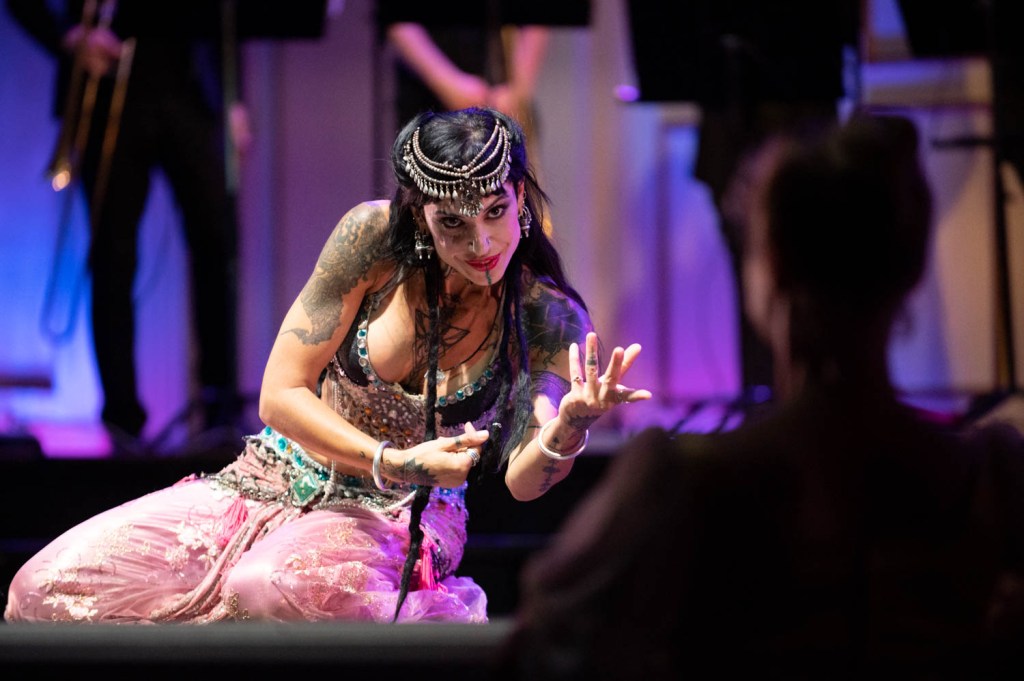
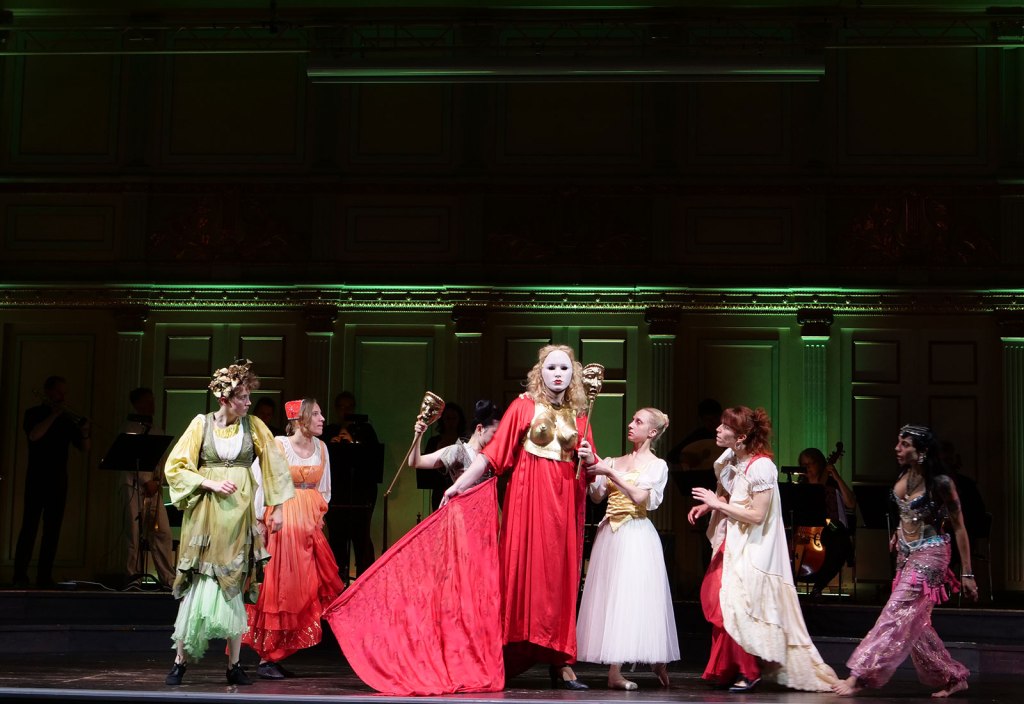
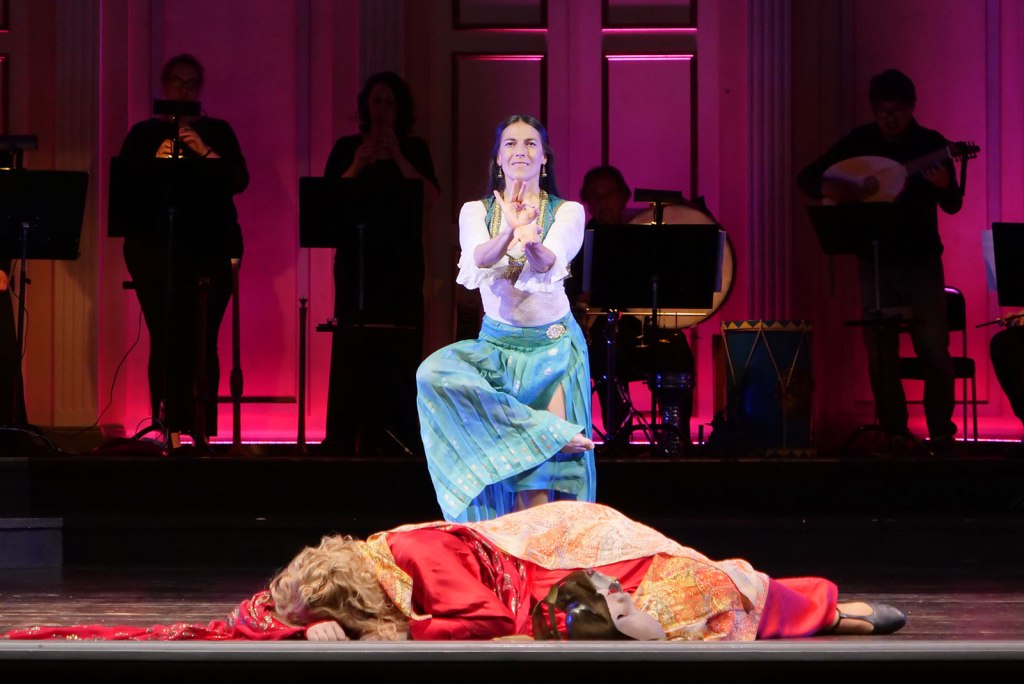
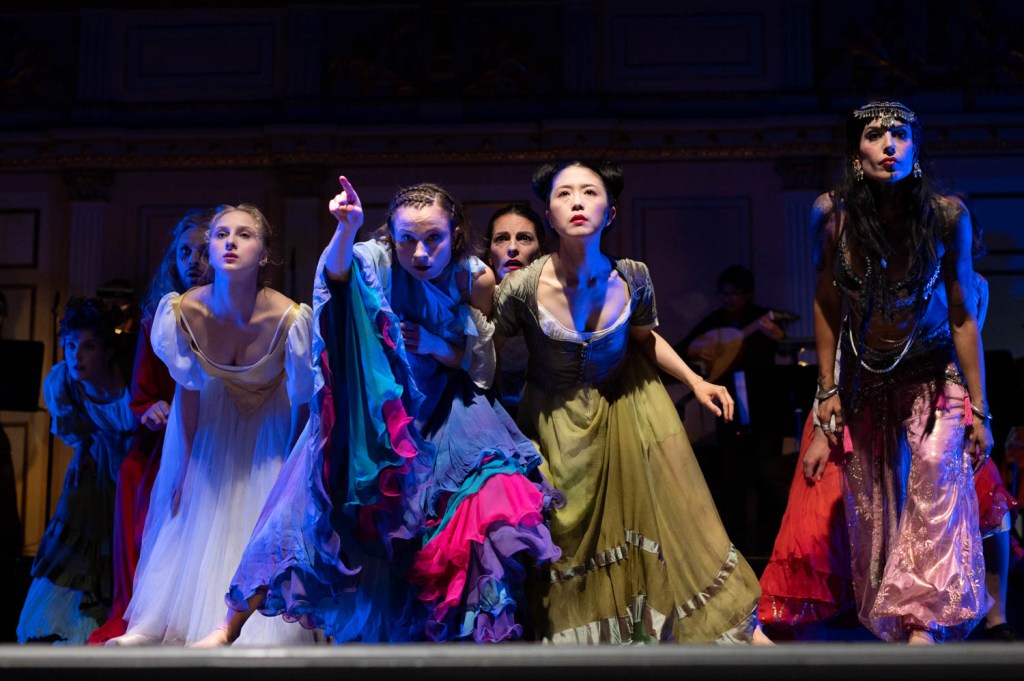
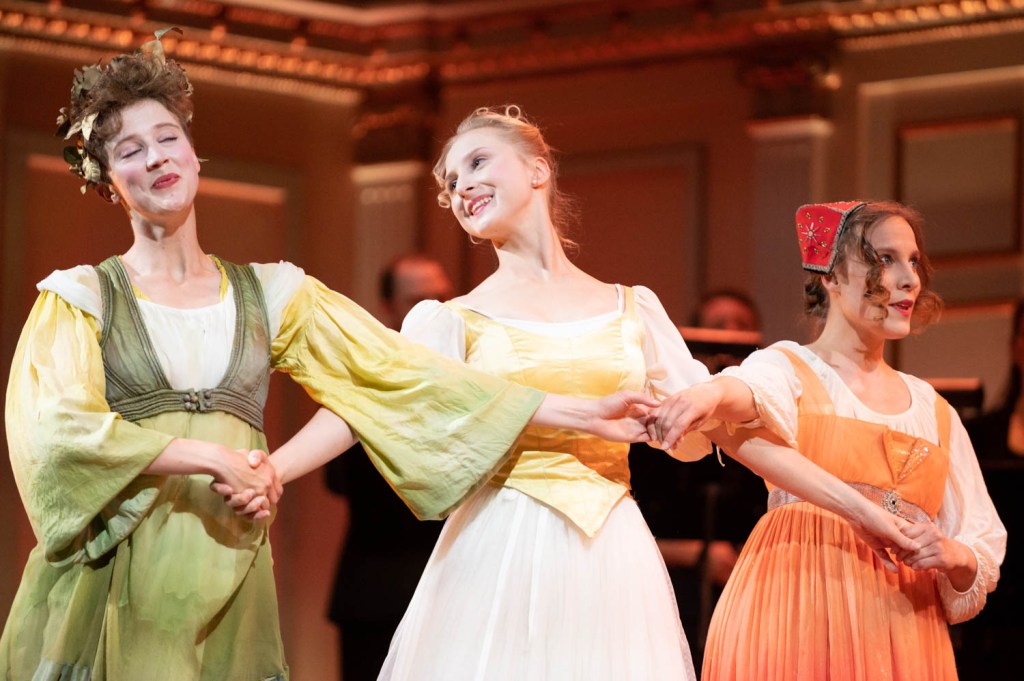
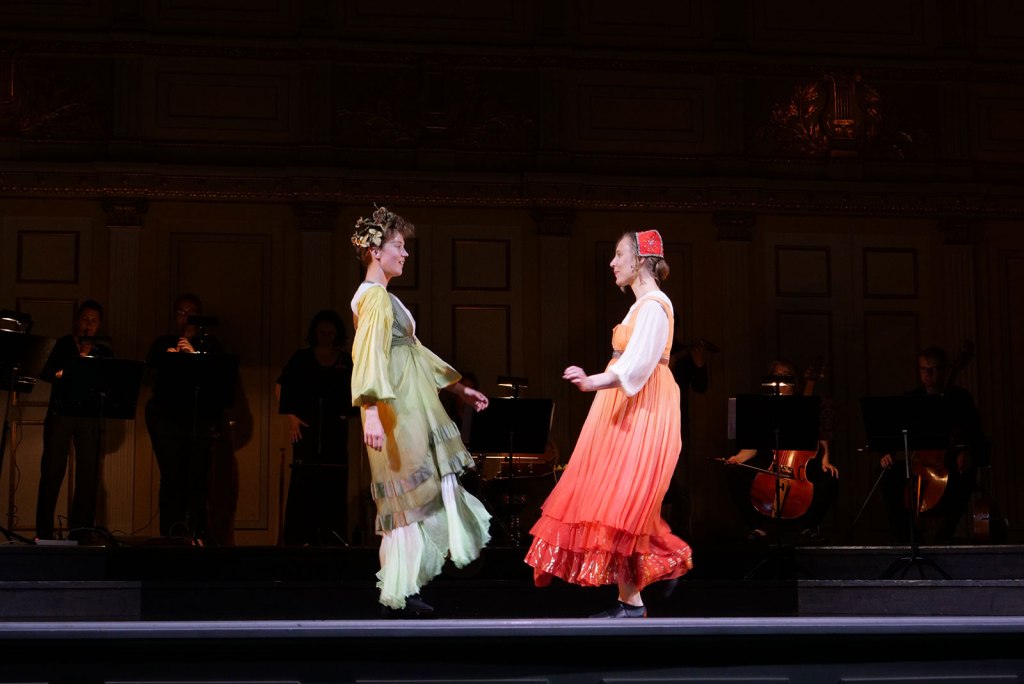
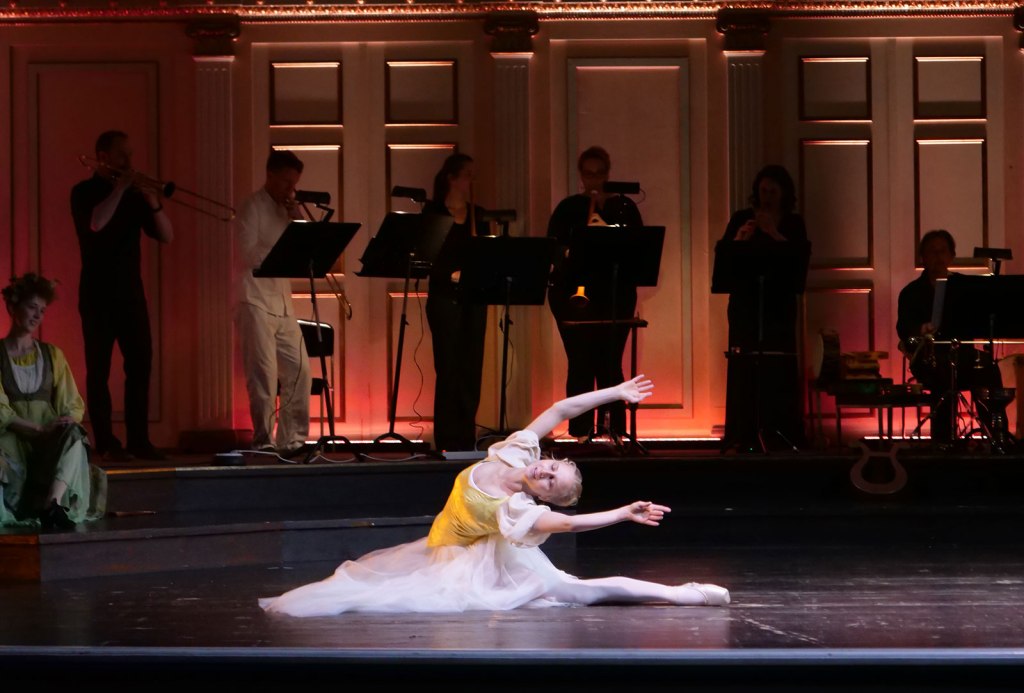
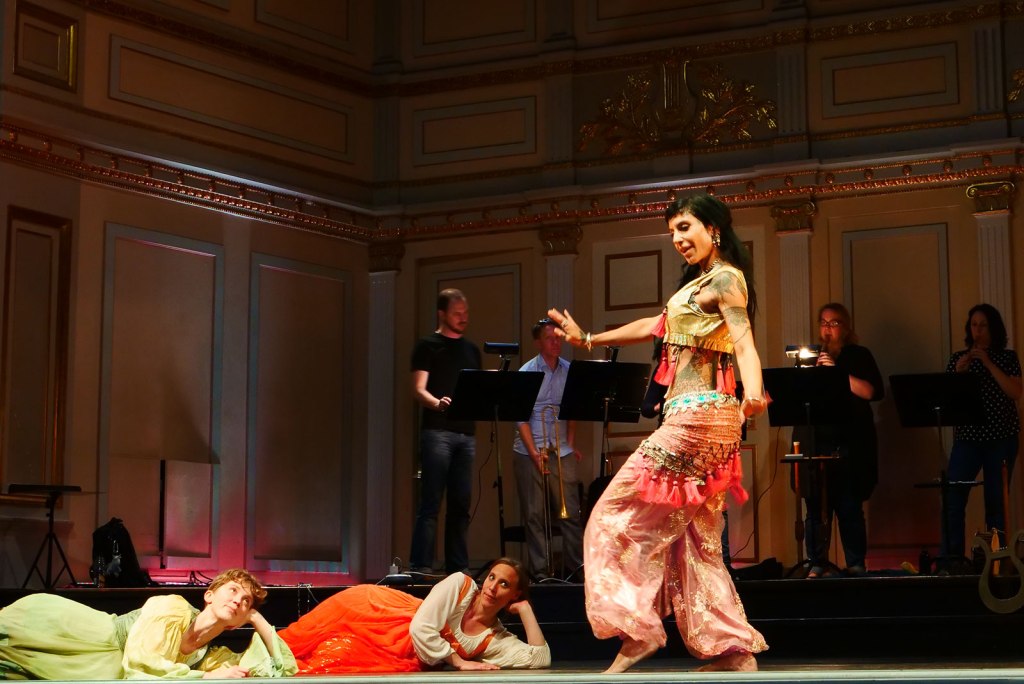
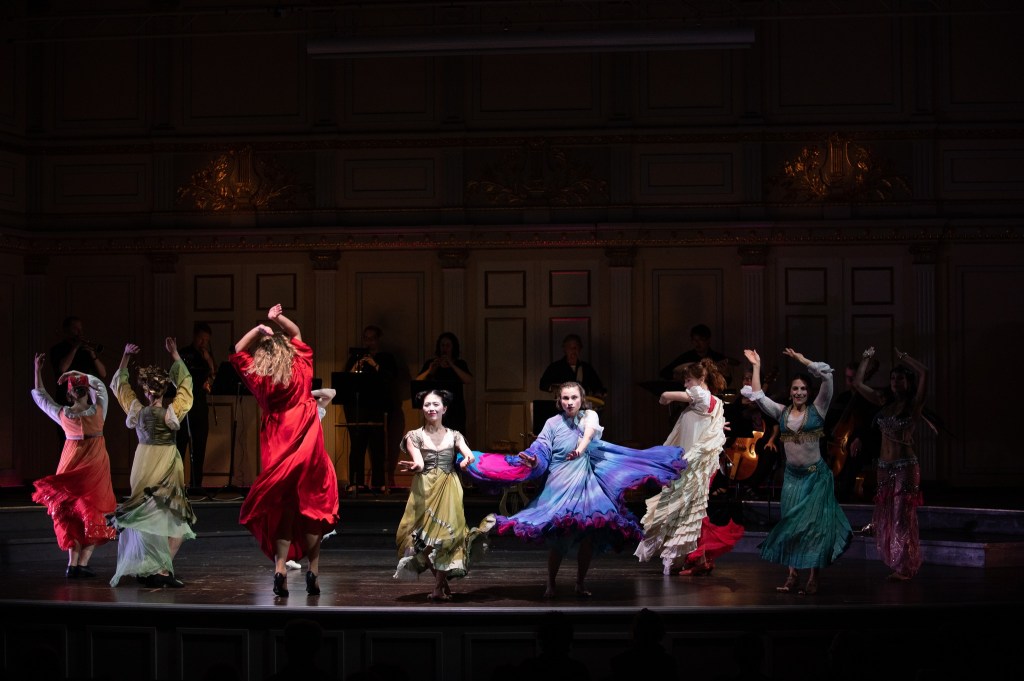
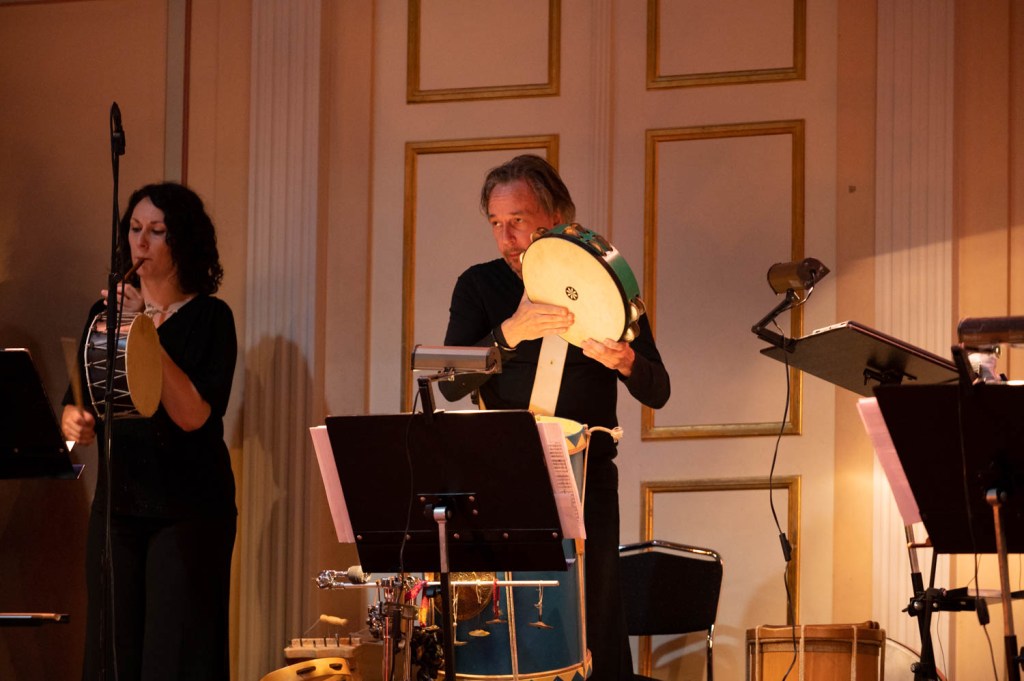
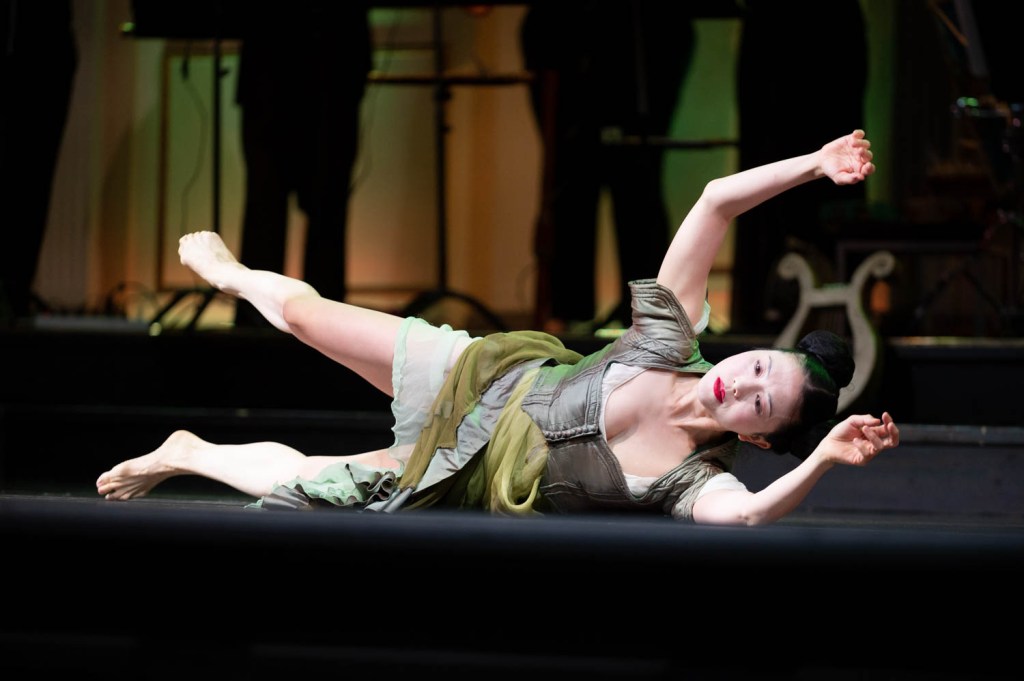
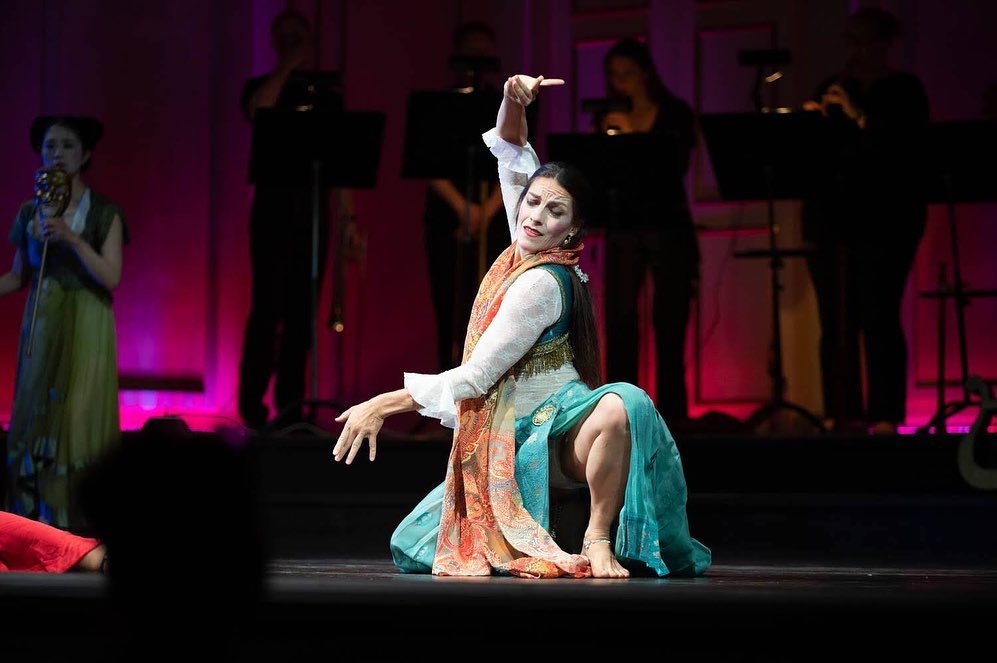
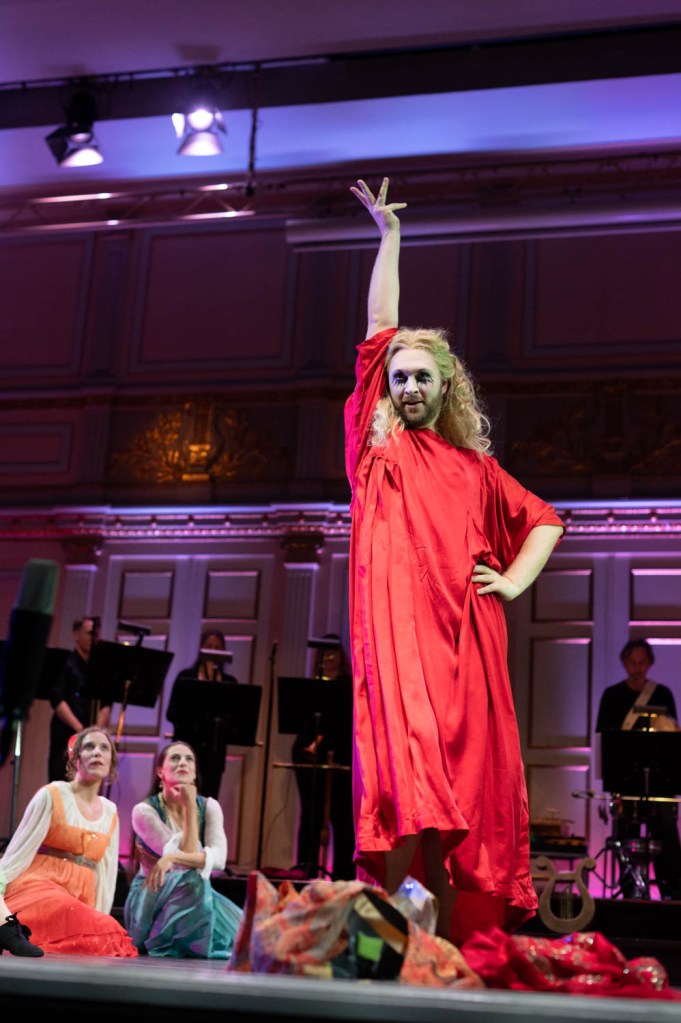
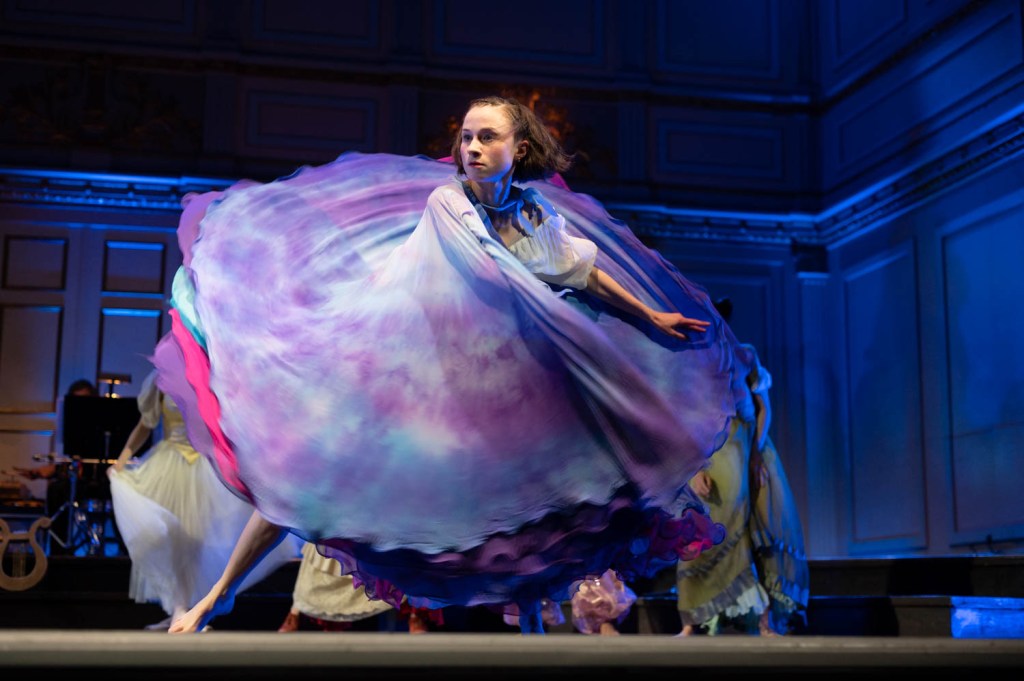
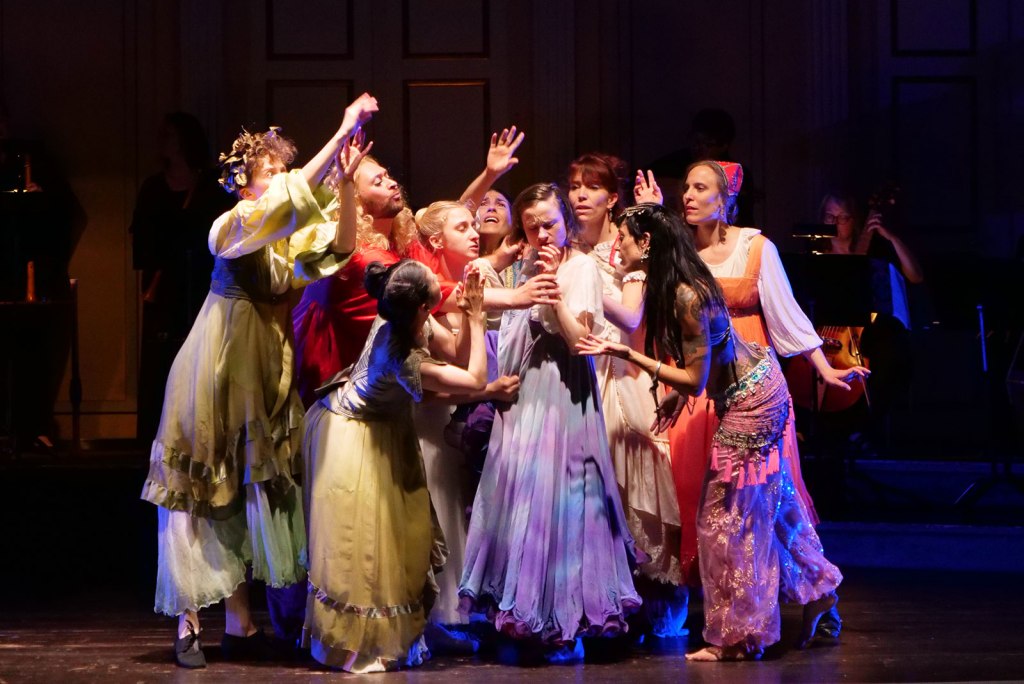
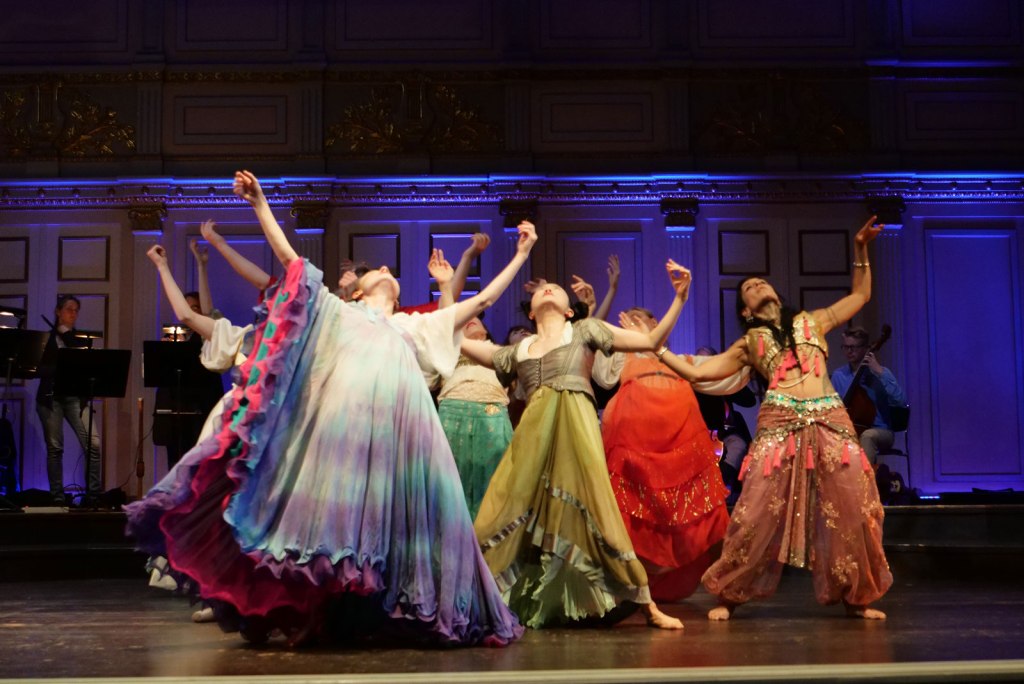
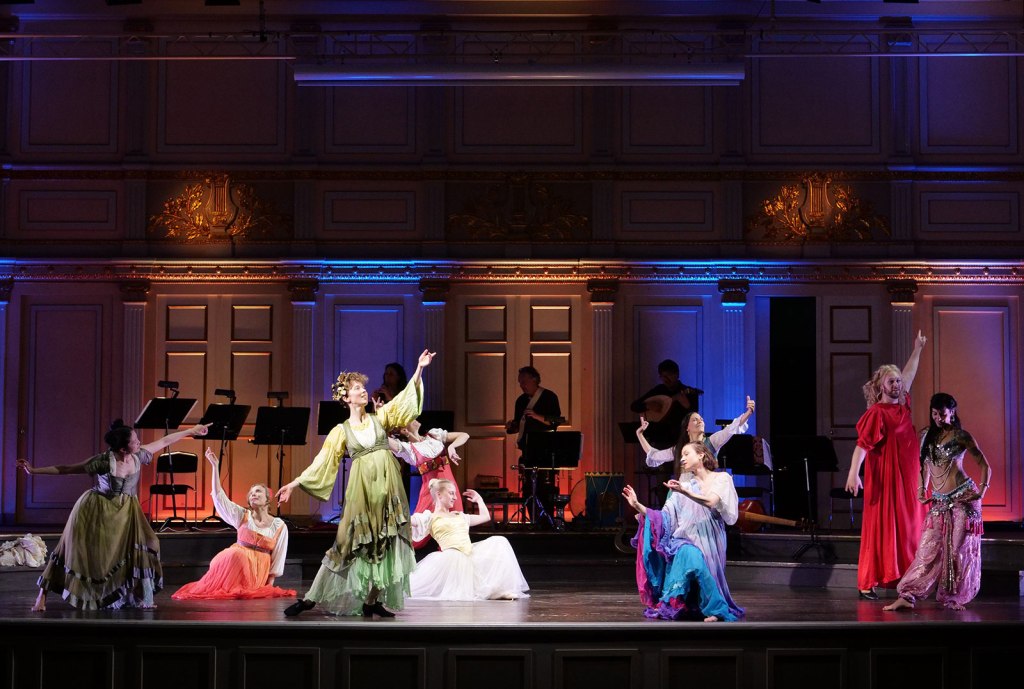
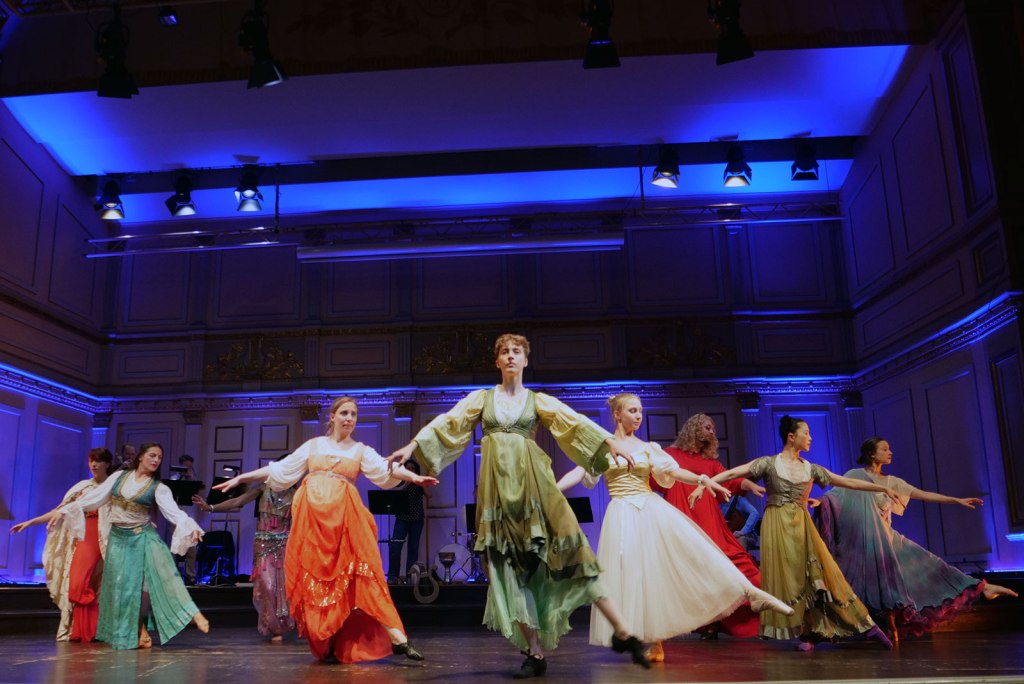
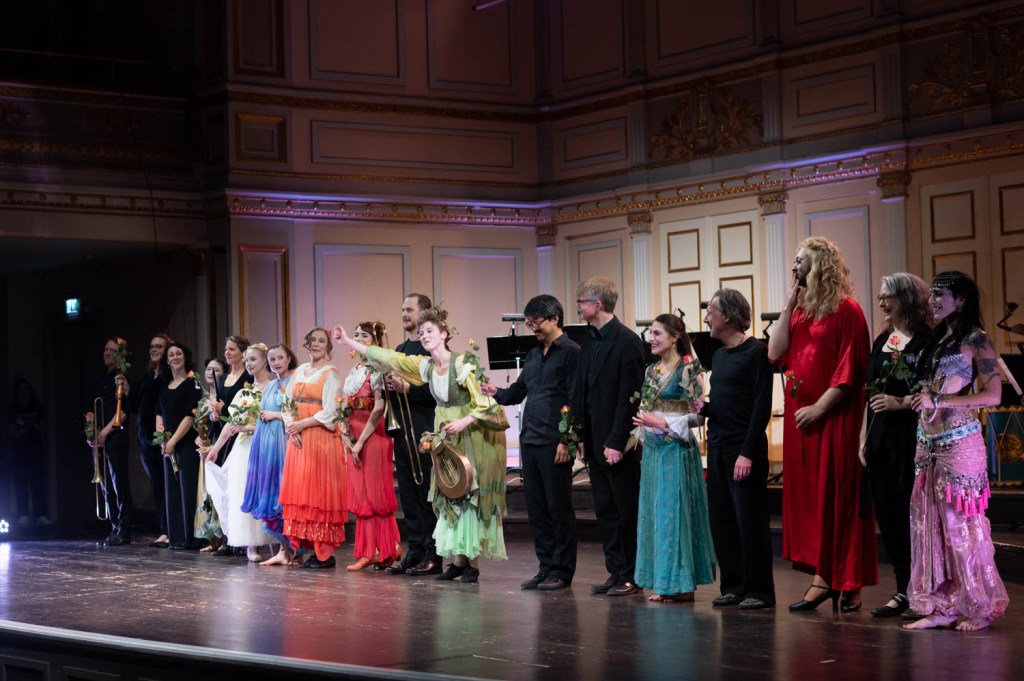
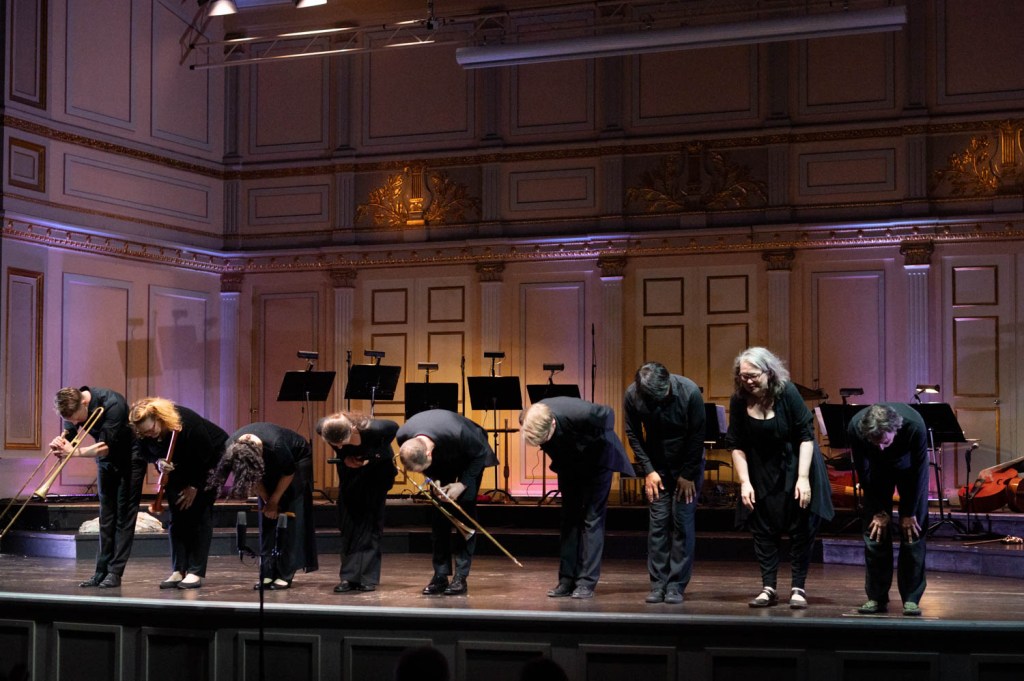
World premiere of a choreography for ”Terpsichore” by German composer Michael Praetorius (1571-1621)
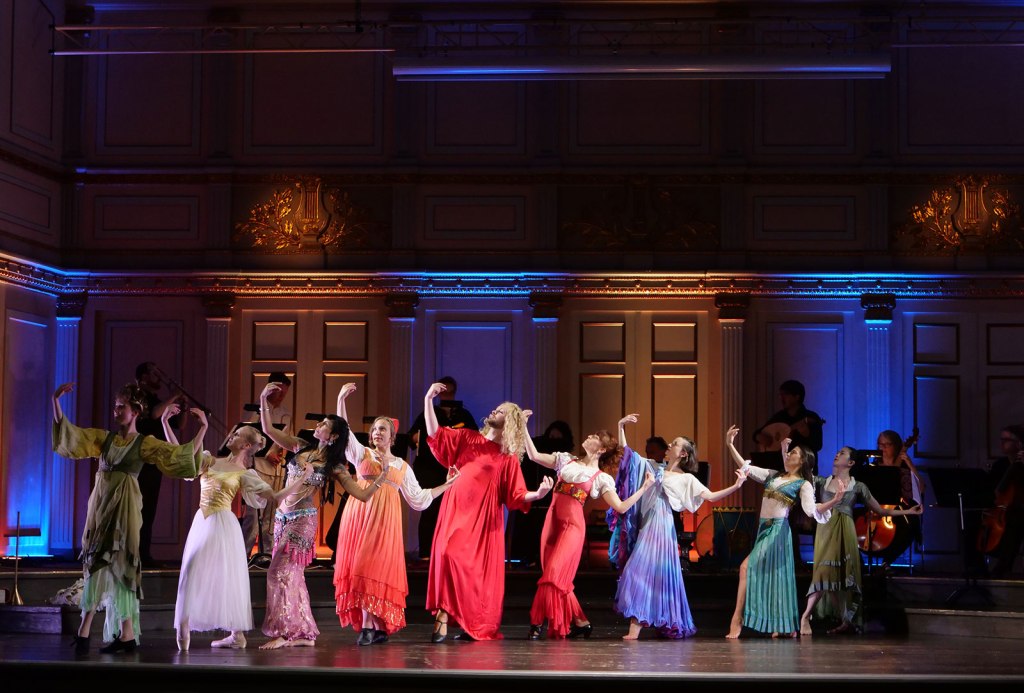
“Terpsichore – when music dances” embodies the essence of an interdisciplinary creation.
The concept links and amalgamates the rich tapestry of timeless dance styles with the powerful dance music by a renaissance genius as Michael Praetorius.
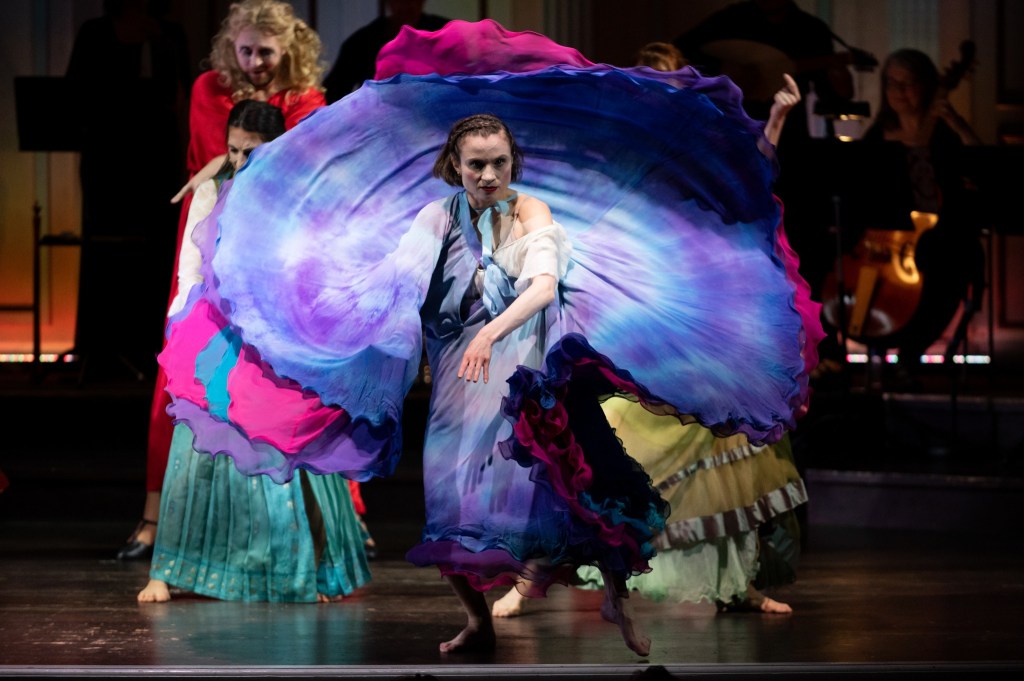
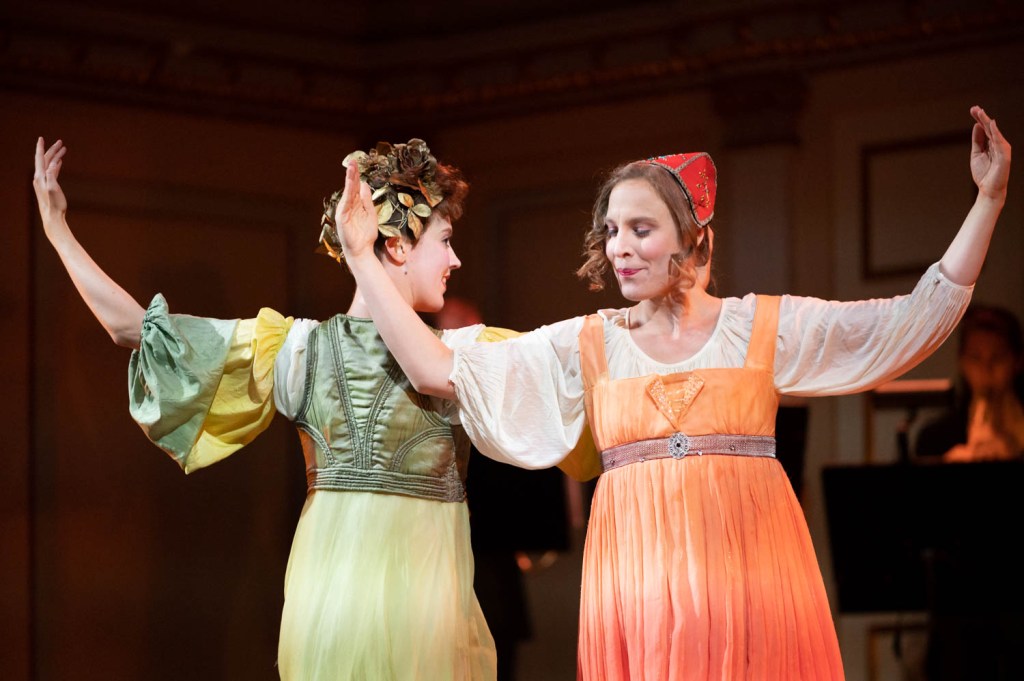
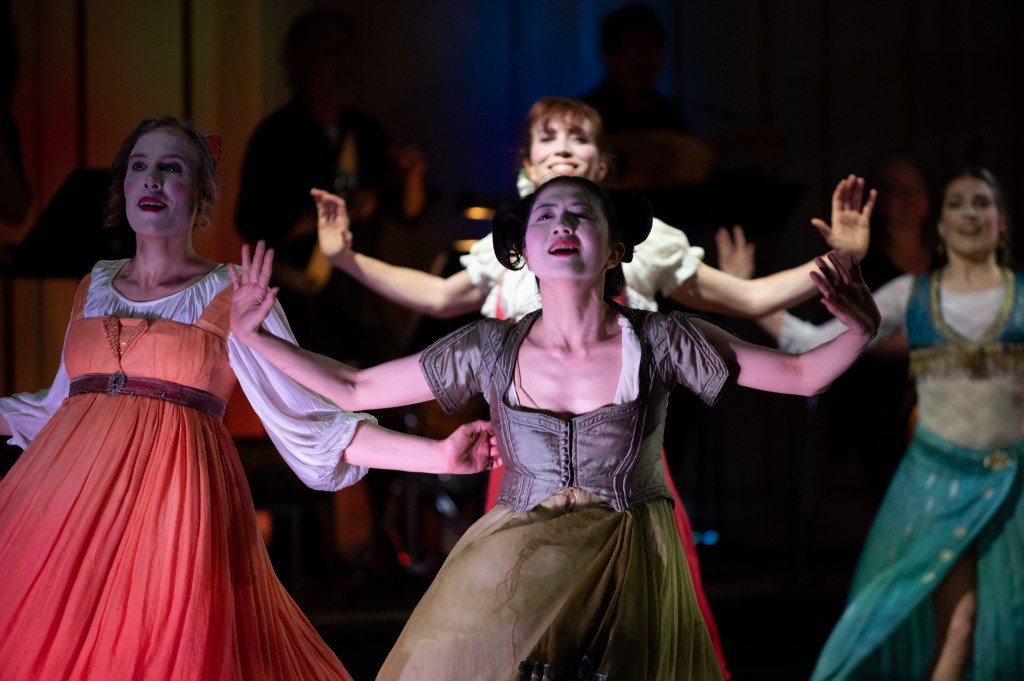
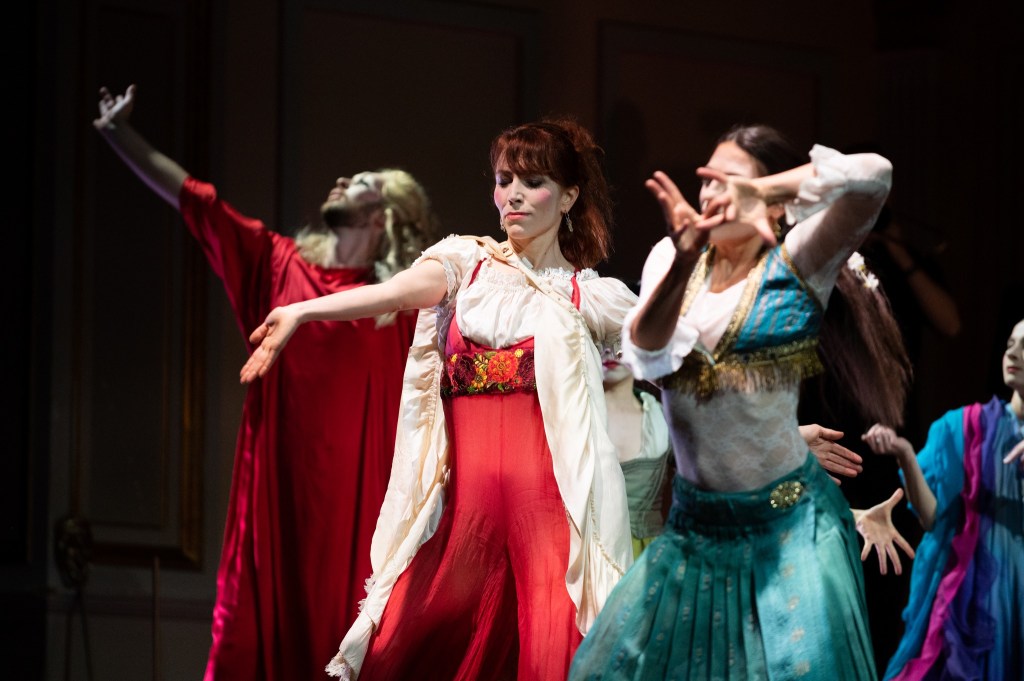
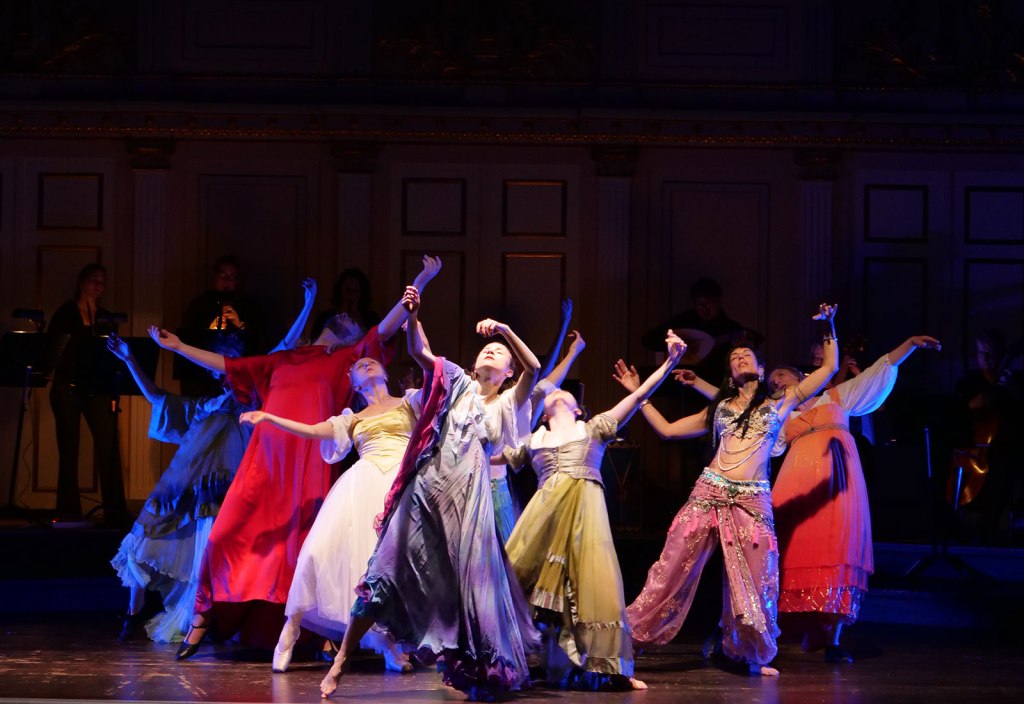
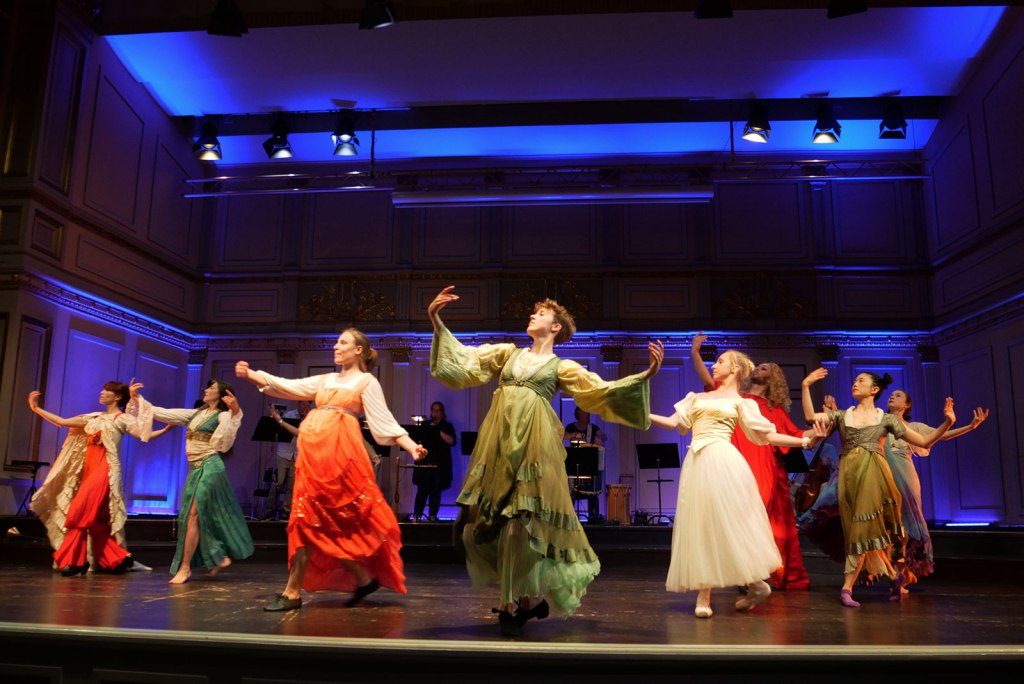
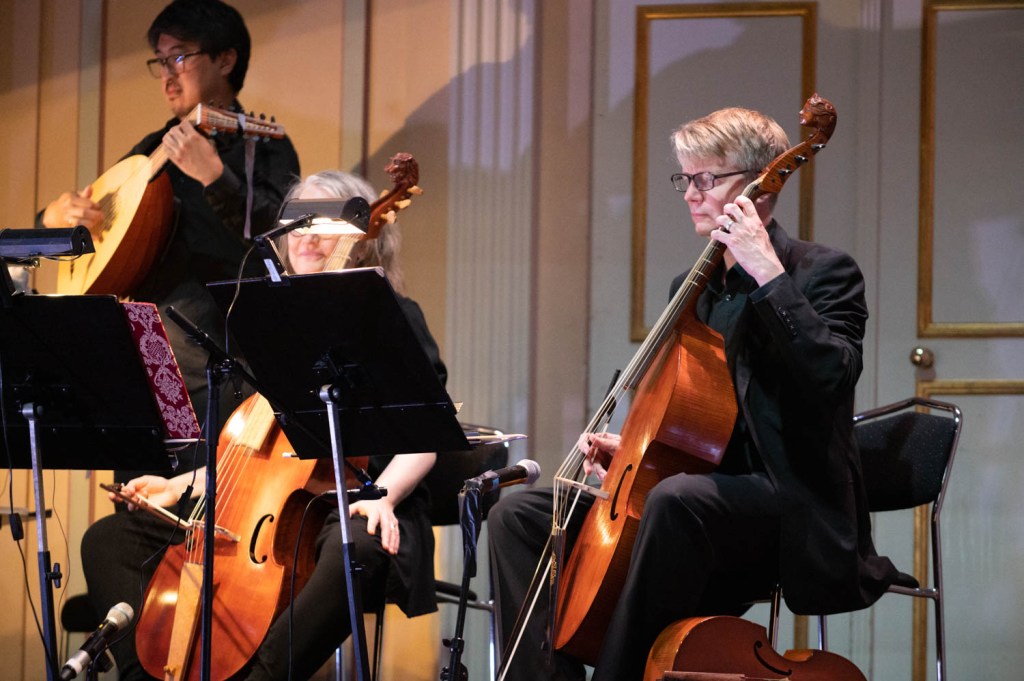
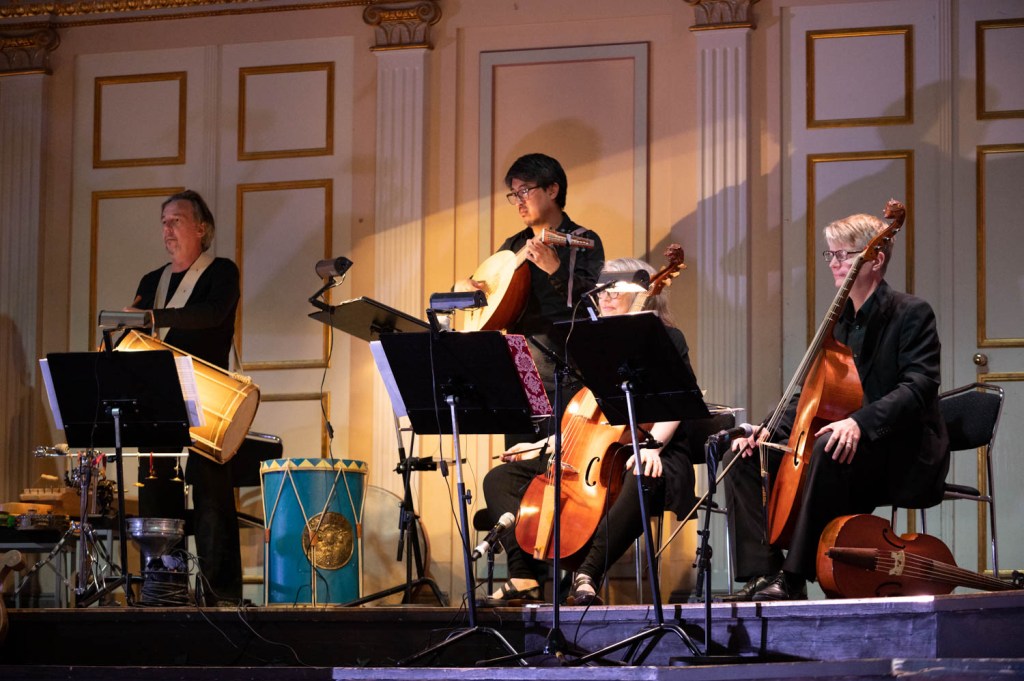
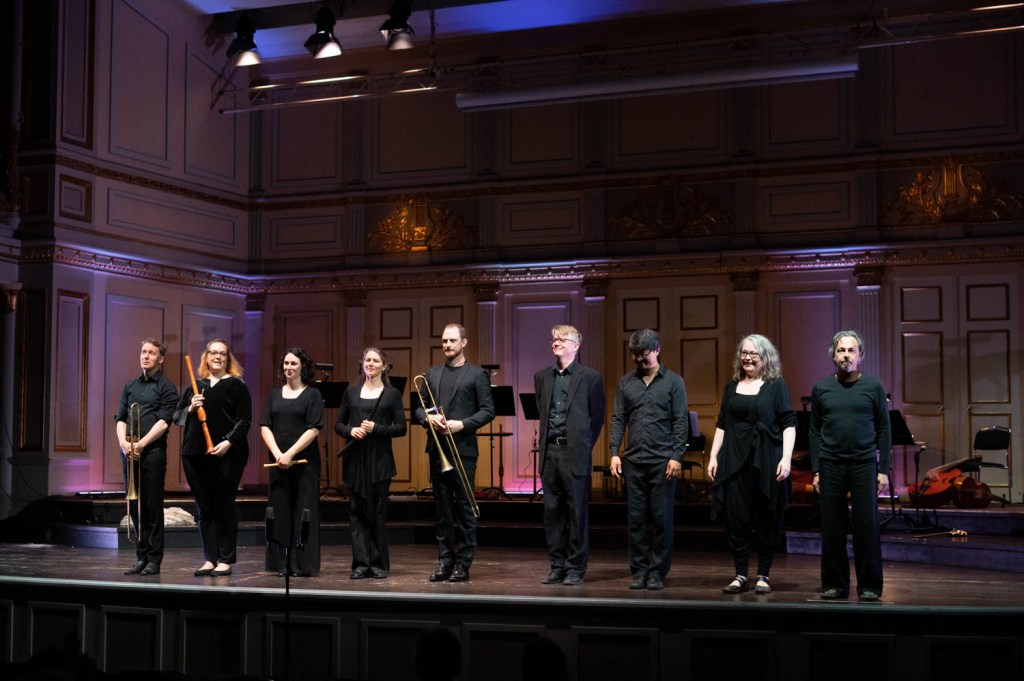
This is a world premiere of a previously newer shown approach, achieving a colorful, sparkling cavalcade with contemporary relevance. This is an innovative choreography to the music of Michael Pretorius’ masterful suite of more than 300 instrumental dances, with 9 dancers, 9 dance genres and 9 musicians on stage.
Referring to the muse of dance, the work is Praetorius’ most famous recorded work and his only surviving secular piece. Join the muses in a dance artwork that spans time and continents, based on the Renaissance man’s image of Ancient Greece.
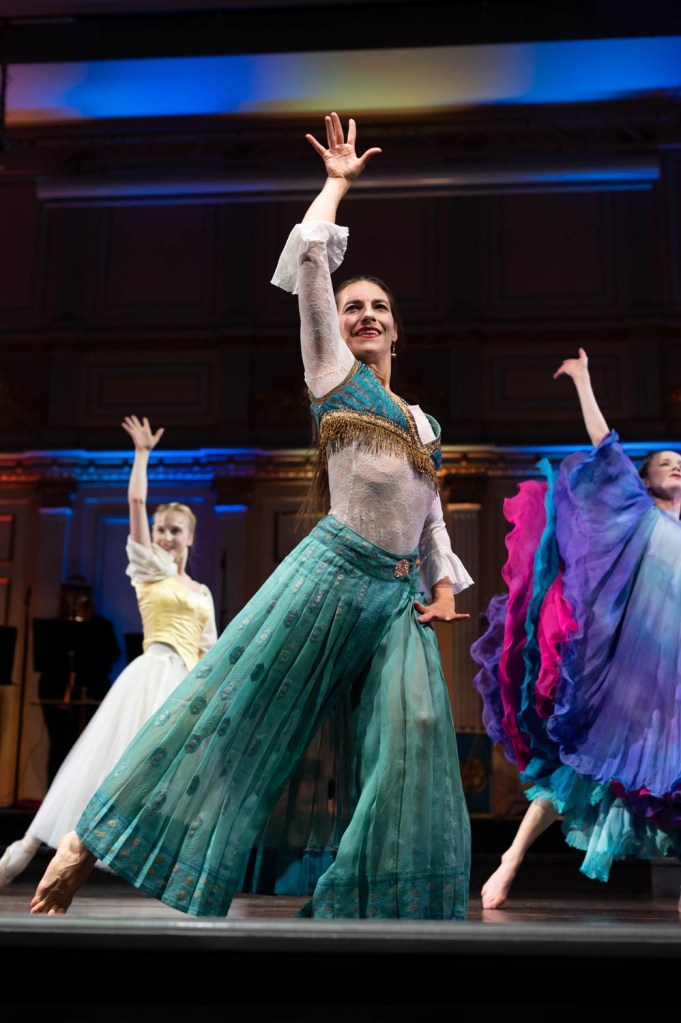
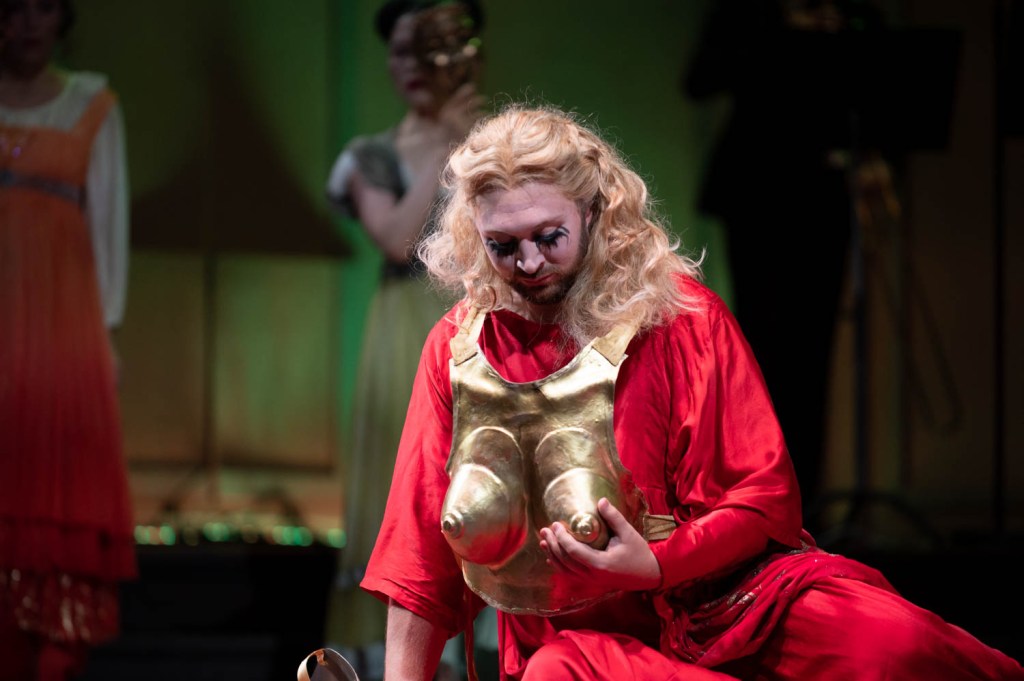
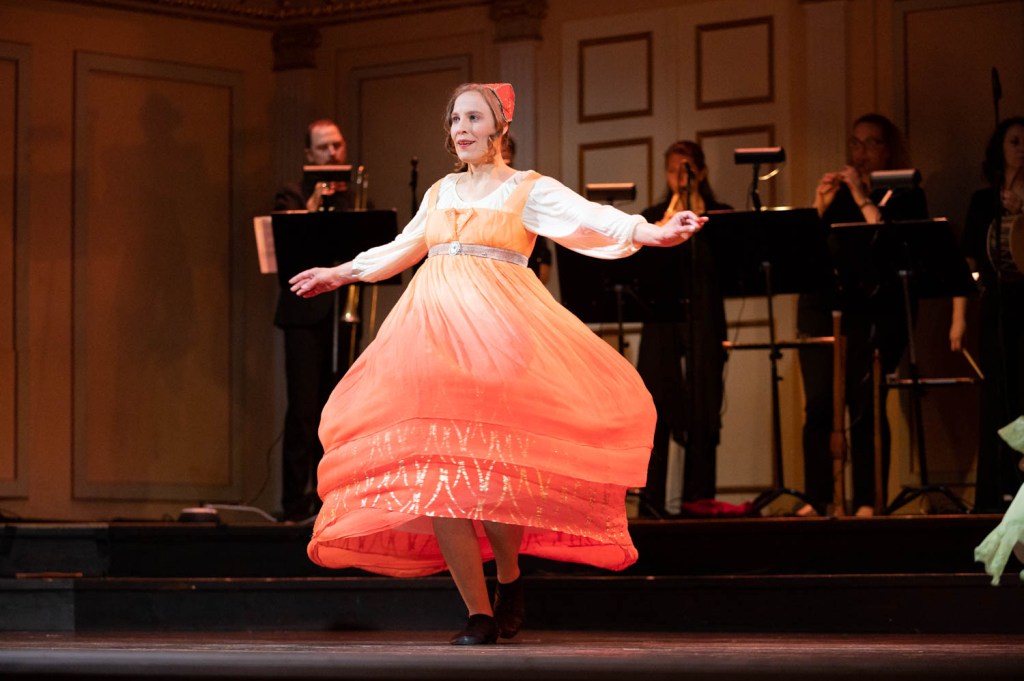
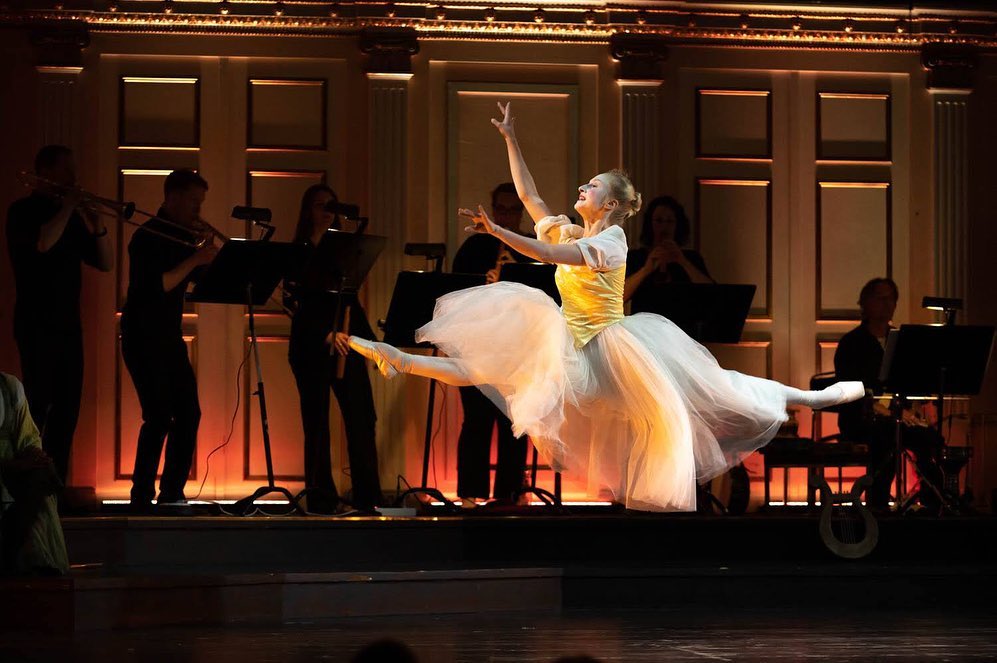
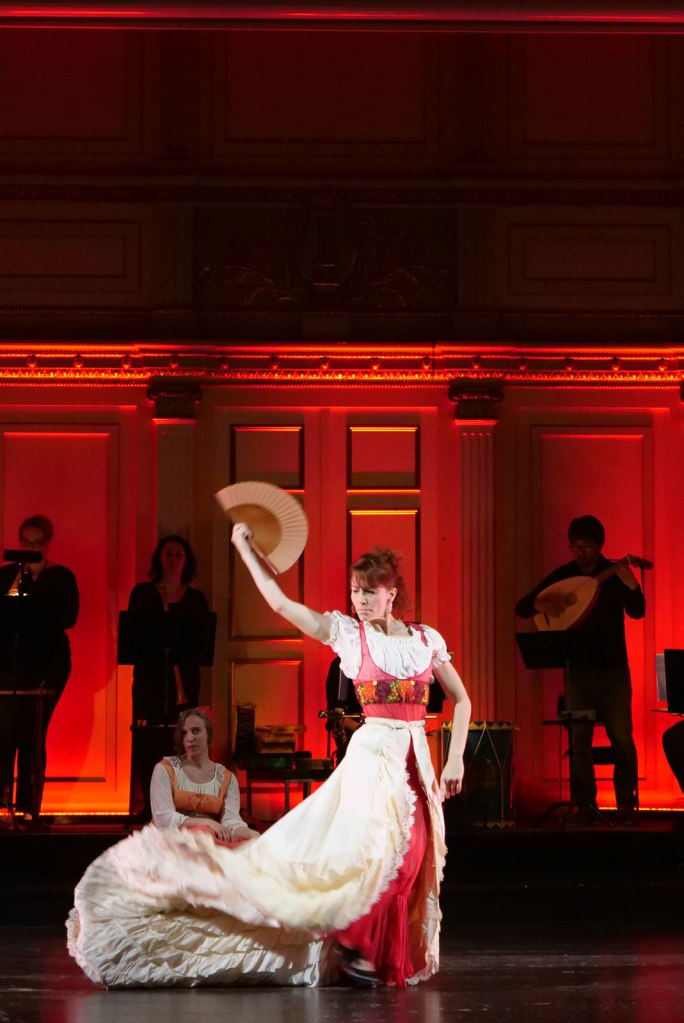
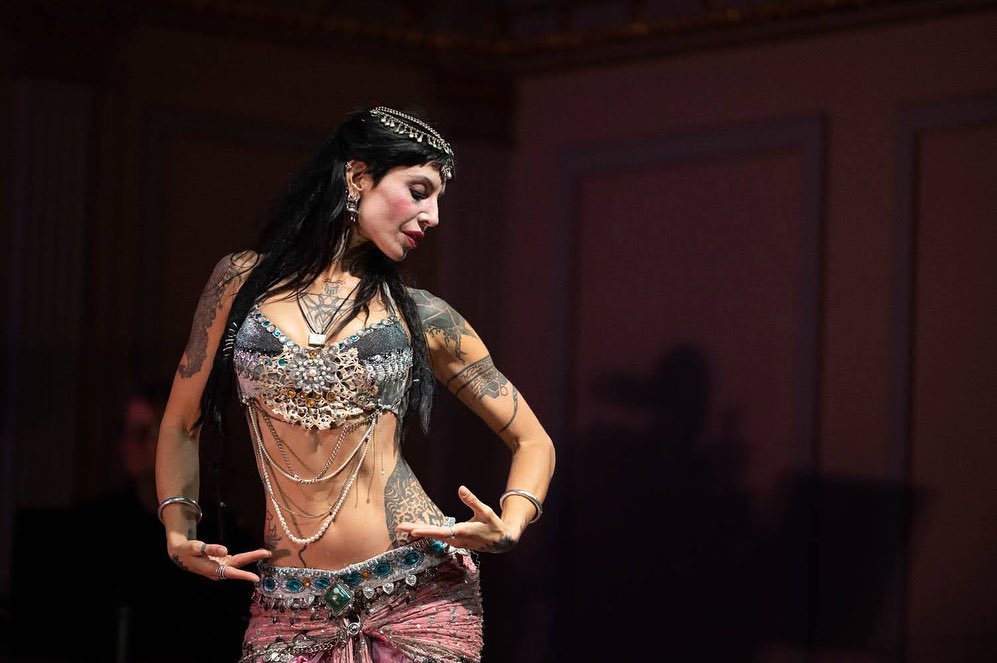
Bransle, gaillard, volta and courante become everything from baroque, oriental and Indian dance to ballet, voguing and flamenco. The nine muses represent the movement of the body and the mind, what we can not possess but still experience.
Initiative & concept: Peter Pontvik Musical arrangements: Daniel Stighäll Choreography and direction: Patrik Sörling Production: EARLY MUSIC SWEDEN / Josefine Chiacchiero Costume, make-up, mask: Robin Karlsson, Jerry Milton Ross, Rute Rack
”With experienced specialist Patrik Sörling as director and choreographer, the result was a real music and dance party.”
”The remarkable thing about his work was that he created beautiful choreographies for each individual dancer and style, and at the same time managed to create ensemble sets that worked admirably for the growing groups.”
”We have chosen to mix dance styles because the muses represent nine different art forms but have in common that it is about the movement of the body or the mind. Activities before objects. Something we can’t own but still experience.
Almost all human dance is basically a long series of intentional movements, often repeated stylised versions of familiar everyday activities: hunting, harvesting, domestic chores, courtship, marriage proposals, etc. Dance is not something that exists on the fringes of human life; it is right at its centre. Those are actions that can be repeated and thus form the basis of most dance tours among non-professional dancers worldwide, in tribal communities as well as in big cities. With the passage of time, ballroom dance becomes folk dance. Indian dance has survived longer than many other dance styles because novelty for novelty’s sake has historically no value in the East Asian culture, in contrast to the European view of art.
Rites, myths and religion have played an important role in the development of dance. The early church, ring dances, row dances and processional dances were organized with the priest himself as the dance leader. Unlike all other religions, the Church in the Middle Ages condemned dancing, calling it the devil’s dazzle, a danse macabre. Its importance as a religious activity was declined during the Renaissance when dance moved out of the church. It is in this period that Michael Praetorius works.”
Patrik Sörling has choreographed more than 60 operas, ballets and plays internationally, as well as on all of the country’s major stages. He is a senior lecturer in scenic design and writes scripts and librettos for theatre and opera. Patrik has worked with early music for over 30 years at Drottningholms Slottsteater as a director and choreographer.
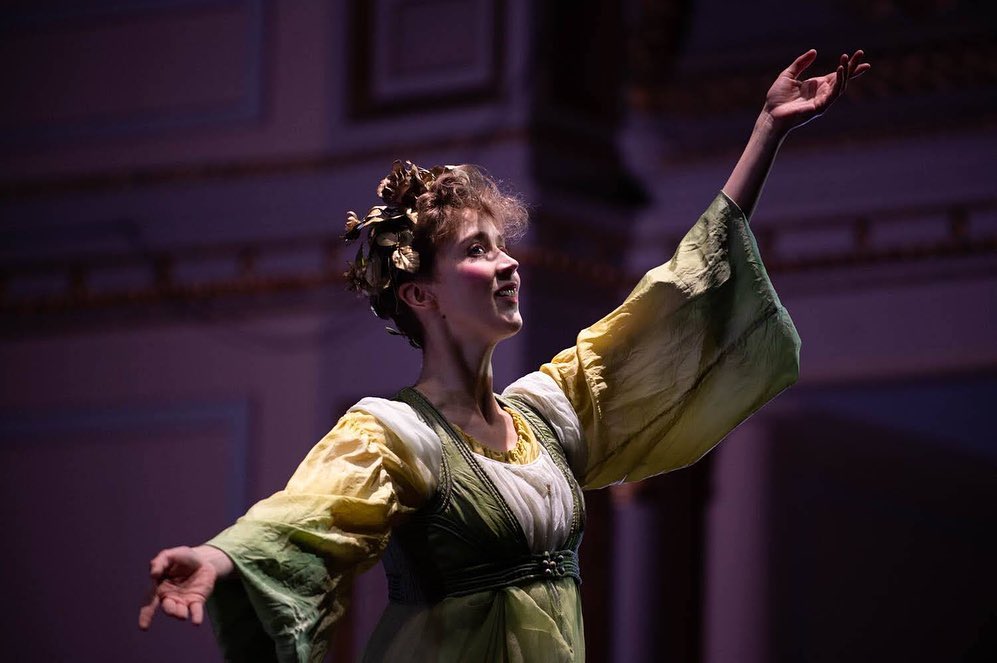
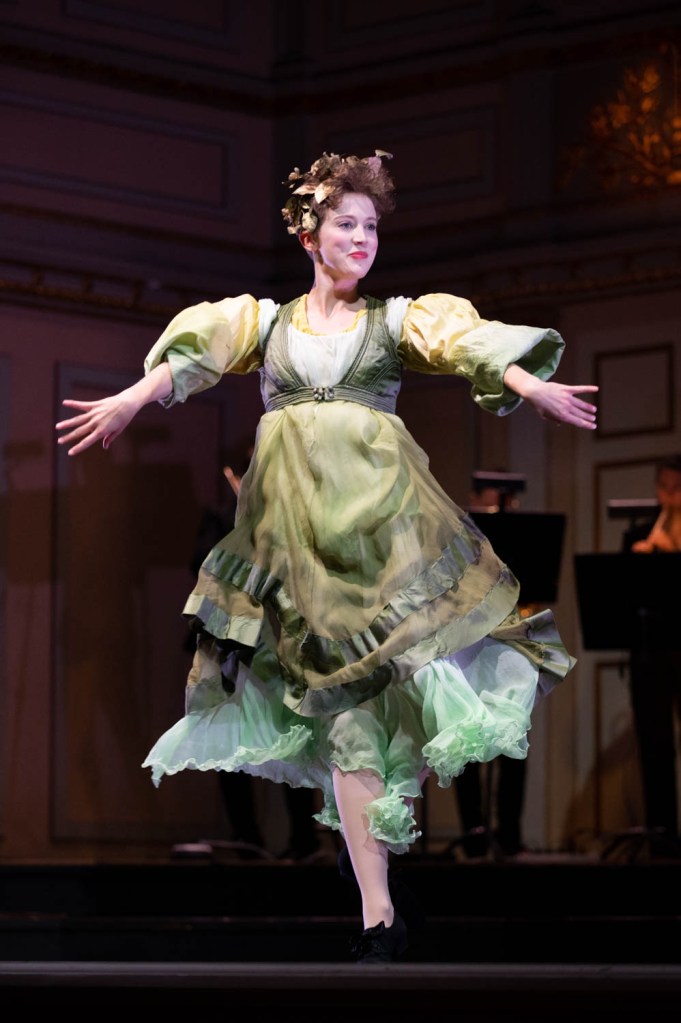
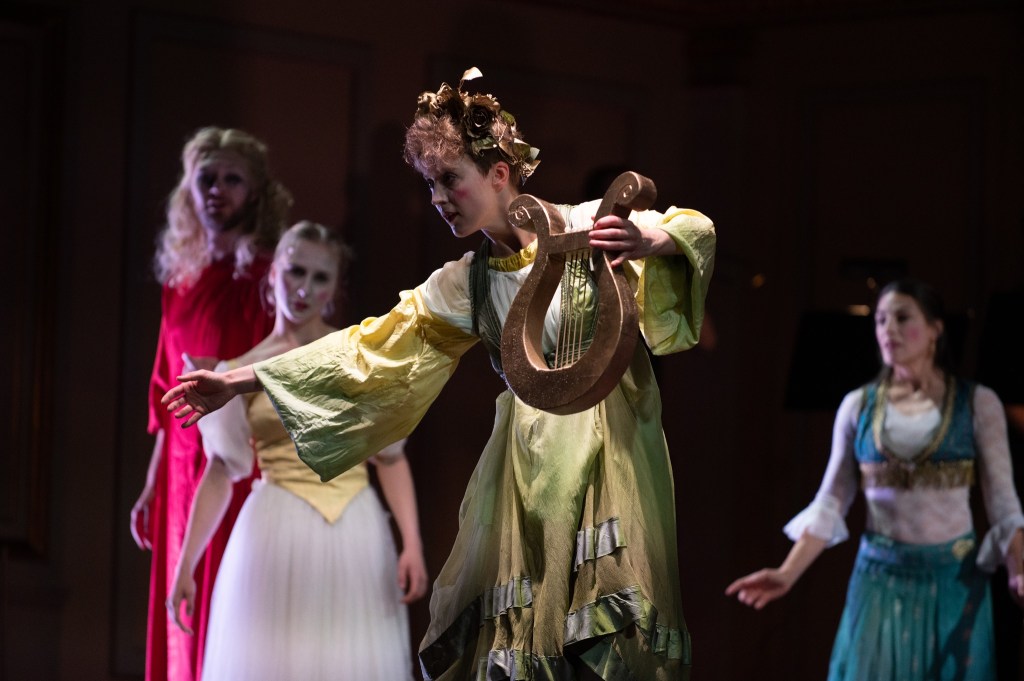
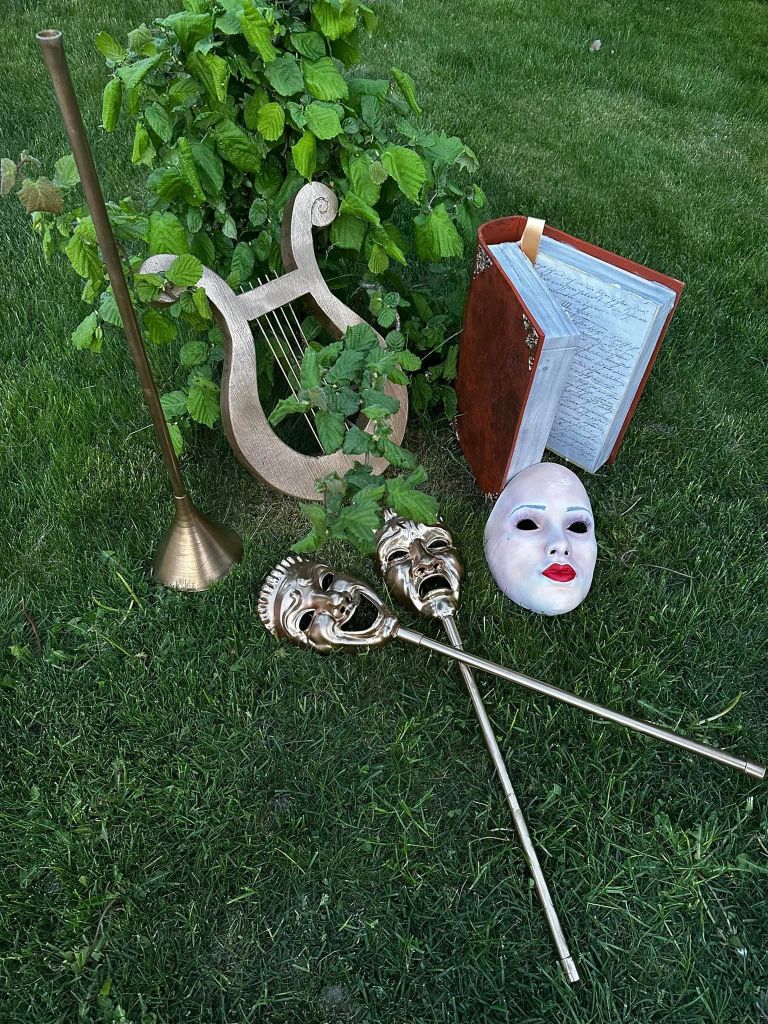
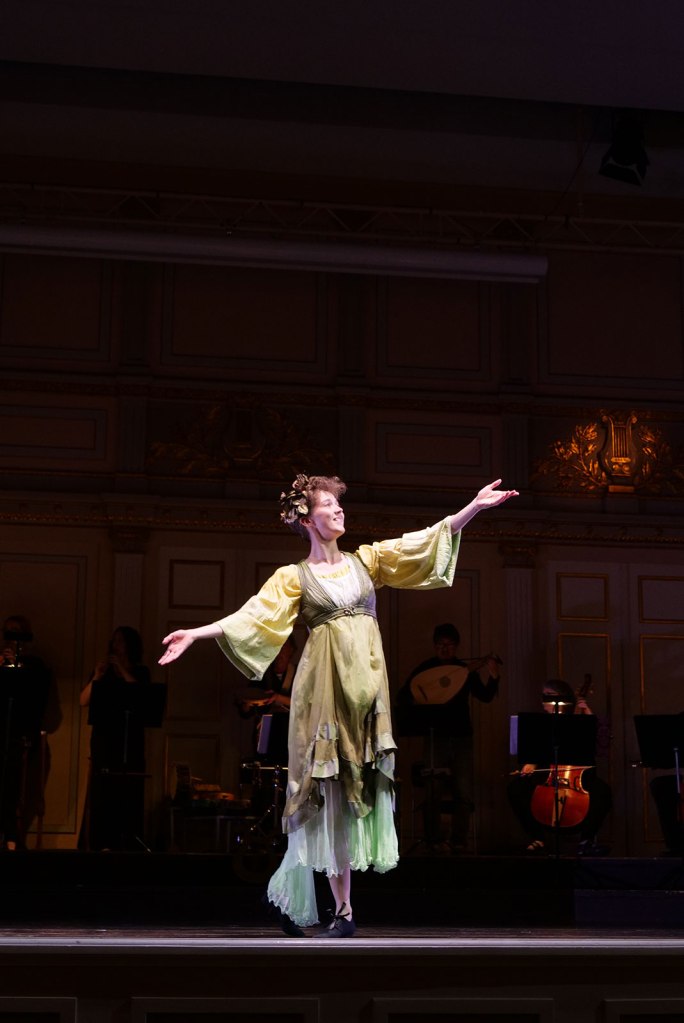
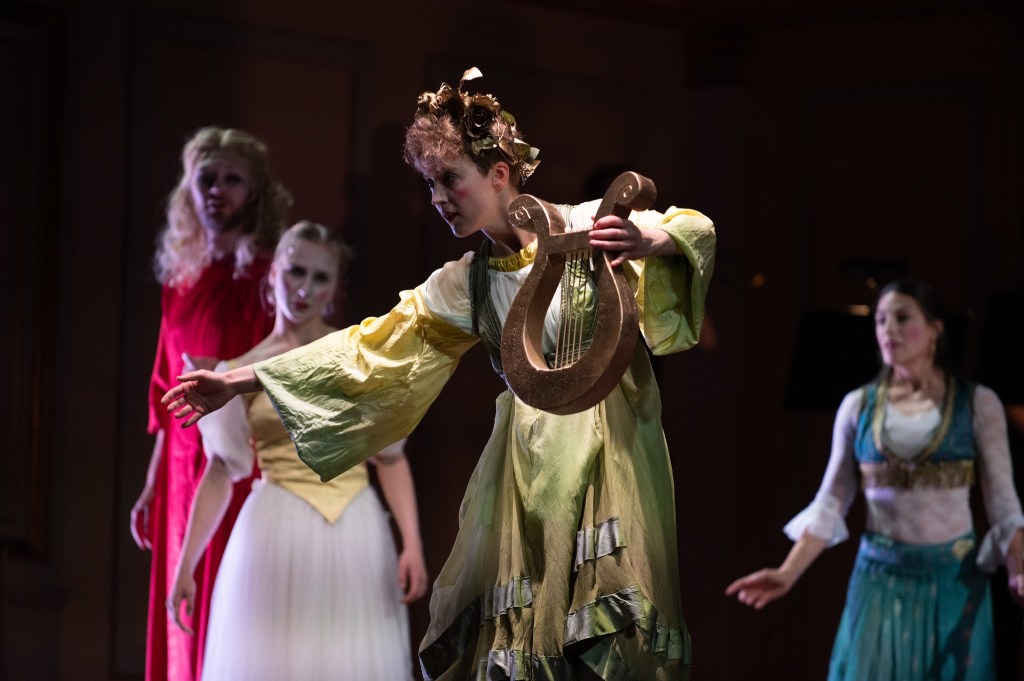
TERPSICHORE: MATILDA LARSSON, baroque dance The muse of dance. She wears a garland of flowers and plays the lyre. In science, cosmic things related to rhythm such as oscillation and electromagnetism belong to her. She is the mother of the sirens that trick sailors into running aground in the Odyssey (Branslé).
1. Bransle double de poictou 2. Bransle Gay double 3. Bransle double de Poictu
KALLIOPE: LINNÉA REDBLAD, Nordic folk dances The oldest of the sisters. The one with the beautiful voice who teaches singing and epic poetry. She has a crown in her hair and a writing tablet in her hand. She is married to Oegrus, King of Thrace. and mother of Orpheus. She is also the mistress of Apollo. The poets Homer, Virgil and Dante all invoked her when writing their epics.
4. Les gavottes 5. La bourre
KLEIO: NORA EKMAN, classical ballet The muse of history carries a trumpet in one hand and a book in the other. She is responsible for announcements, proclamations and heroic poetry. As punishment for reprimanding Aphrodite herself for her passionate love for Adonis, Aphrodite in turn allows her to fall in love with the King of Macedonia and they have a son together named Hyacinth.
6. Ballet des qocs 7. Ballet des des Amazones 8. Ballet des Matelotz
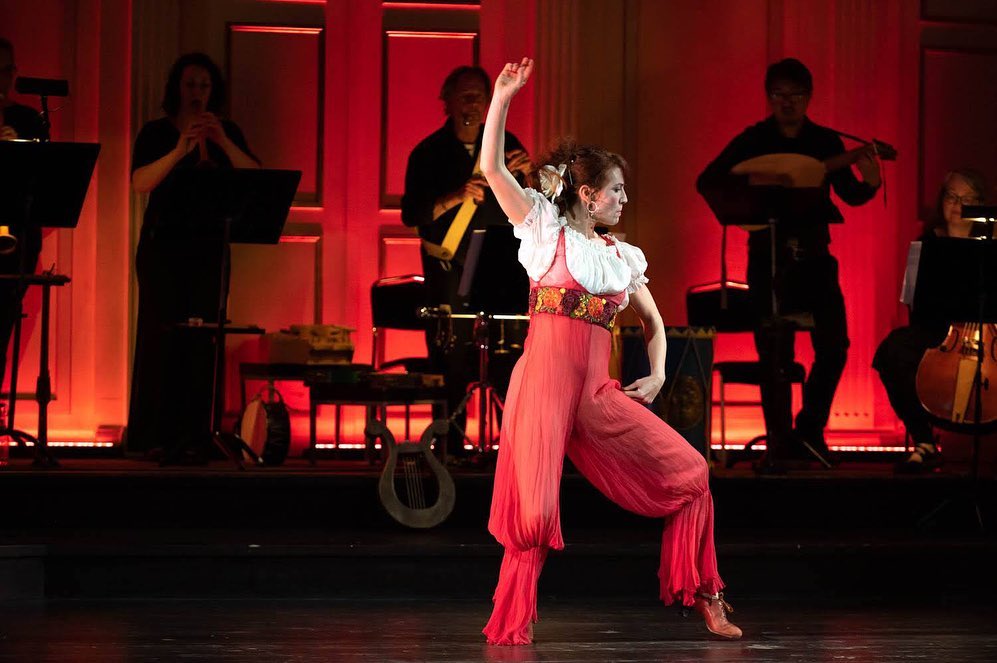
POLYHYMNIA: JOSEFINE CHIACCHIERO, flamenco Polyhymnia means praise and she is the muse of poetry. She created the lyre and agricultural tools. She is responsible for the hymn, the religious musician, agriculture and poetry, geometry and meditation. She wears white, a veil and a chain in her hand, always in deep contemplation.
9. Pavane de Spaigne 10. Spagnoletta
EUTERPE: VAFA NADI, belly dance fusion Pleasant and joyful, she is the muse of music and musicians. She also helps composers with their works and plays the flute herself. Together with the river god Strymon, she has a son and the king of Thrace, Rhesus. Music and dance are influenced by new technologies and these art forms reflect contemporary developments. In ancient times, things were much quieter than today and instruments had a sacred meaning.
11. Galliarde a5 12. Galliarde a4
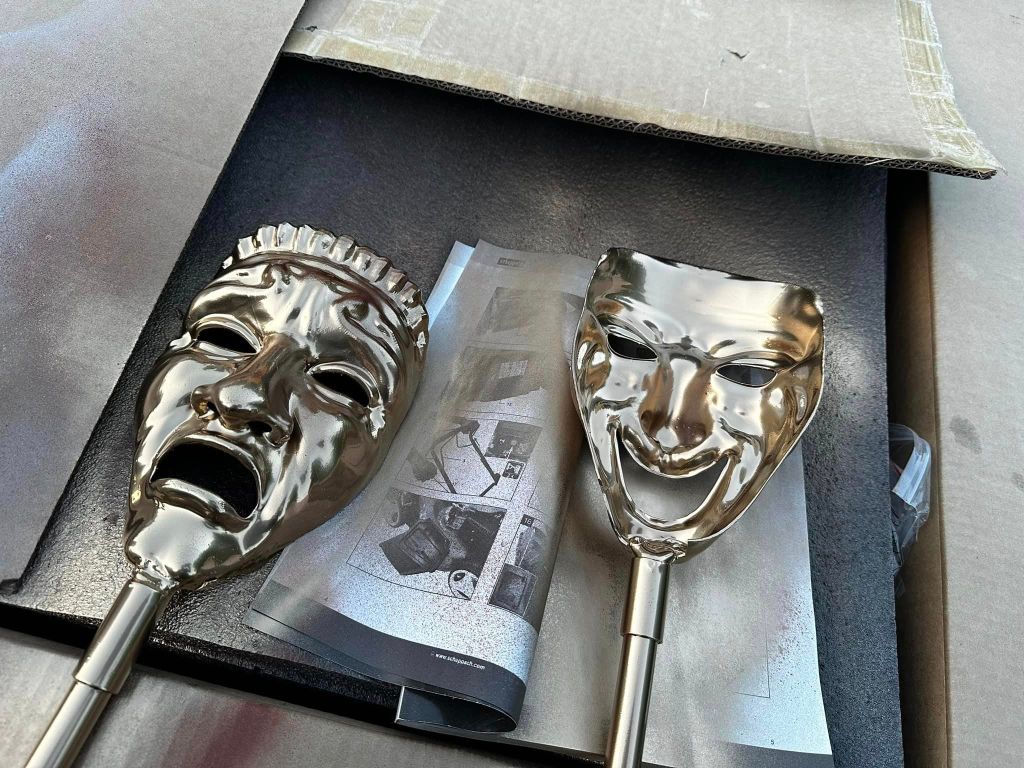
THALIA: KYRIE ODA, contemporary dance, pantomime The muse of comedy wears a cheerful mask and shepherd’s crook. She often has an ivy wrapped around her body. She is kind and funny but also makes fun of everyone and everything. She has nine children with Apollo. All dancers under the name Korybanterna who performed with foot bells, shields and drums. Gelotopias, or comedy players who called her, often started their careers as jesters at parties and then worked their way up to performing at the festivals in Athens. There were so many of them in the 3rd century that they started a club called ‘the sixty’. There were also professional freeloaders, as skilled jesters were called. Witty female philosophers were particularly popular. They were often invited to parties to entertain. Sappho, who lived in the 6th century BC, was so popular that she was called the tenth muse.
13. Passameze a6 14. Passameze pour le cornetz
ERATO: PAULINE REIBELL, Indian classical dances The muse of love poetry teaches erotic poetry and imitation. She plays the sitar. Considered the most beautiful of the nine, she wears a wreath of roses and myrtle in her hair. Turtle doves and a golden arrow are symbols associated with her. In some representations she is shown holding a torch with the god of love, Eros (Cupid).
15. Courante a4 16. Courante a5
MELPOMENE: MATHIAS TERWANDER STINTZING, voguing, waacking Melpomene wears a mask with a sad face. She first represented the choir but later became known as the muse of tragedy – a fusion of music, poetry, drama and religious rites. She is lightly dressed with a thick-soled boot, a koturn (platform shoe) and wears a tiara. She is sometimes portrayed as a mermaid symbolising the desire we can never achieve. She has everything: beauty, money and men. Yet she is unhappy. Around 400 BC there were 25 types of tragic masks. Furier’s masks were painted and blood could flow from his eyes. Their hair was full of snakes. Only men performed and also played the female roles.
17. Volta a5 18. Philoue
URANIA: ELISABETH LUDWIG, contemporary dance, pantomime The muse of astronomy and astrology is the youngest of the nine. She is also the symbol of universal love. Perhaps this is why she also became the muse of Christian poets during the Renaissance. She wears a crown of stars, and at her feet are many mathematical instruments.
19. Les passepieds de Bretagne 20. Gaillarde CCXCVIII
ENSEMBLE
21. Bransles de la torche 22. Les gavottes 23. La Canarie
About Praetorious
Michael Praetorius (1571 – 1621)
Praetorius was a German organist, conductor, composer and music theorist. You may have sung A Rose in the Church, which he set to music. He was the son of a Protestant pastor. He went to university in Frankfurt and spoke many languages. After his musical training, he was employed as organist and conductor at the court in Wolfenbuttel.
Terpsichore (1612) is a Renaissance suite of more than 300 instrumental dances and is his only secular work.
Michael Praetorius collected mainly French dances, but some of them come from other places such as the bourré from Avergne, the saraband from Latin America, the canary from the Canary Islands, the pavane from Spain and the spagnoletta from the Netherlands. There are also English melodies and dances.
There are a large number of bransles that were popular at the time. A simple ring dance from the villages that began to find its way into the high society and opened balls in castles and mansions. Since almost all dance masters in the court played the violin, much is written for them. Just as we distinguish between amateur and professional dancers, the same was true for the people and the court. Court dancing is more written down than village dancing.